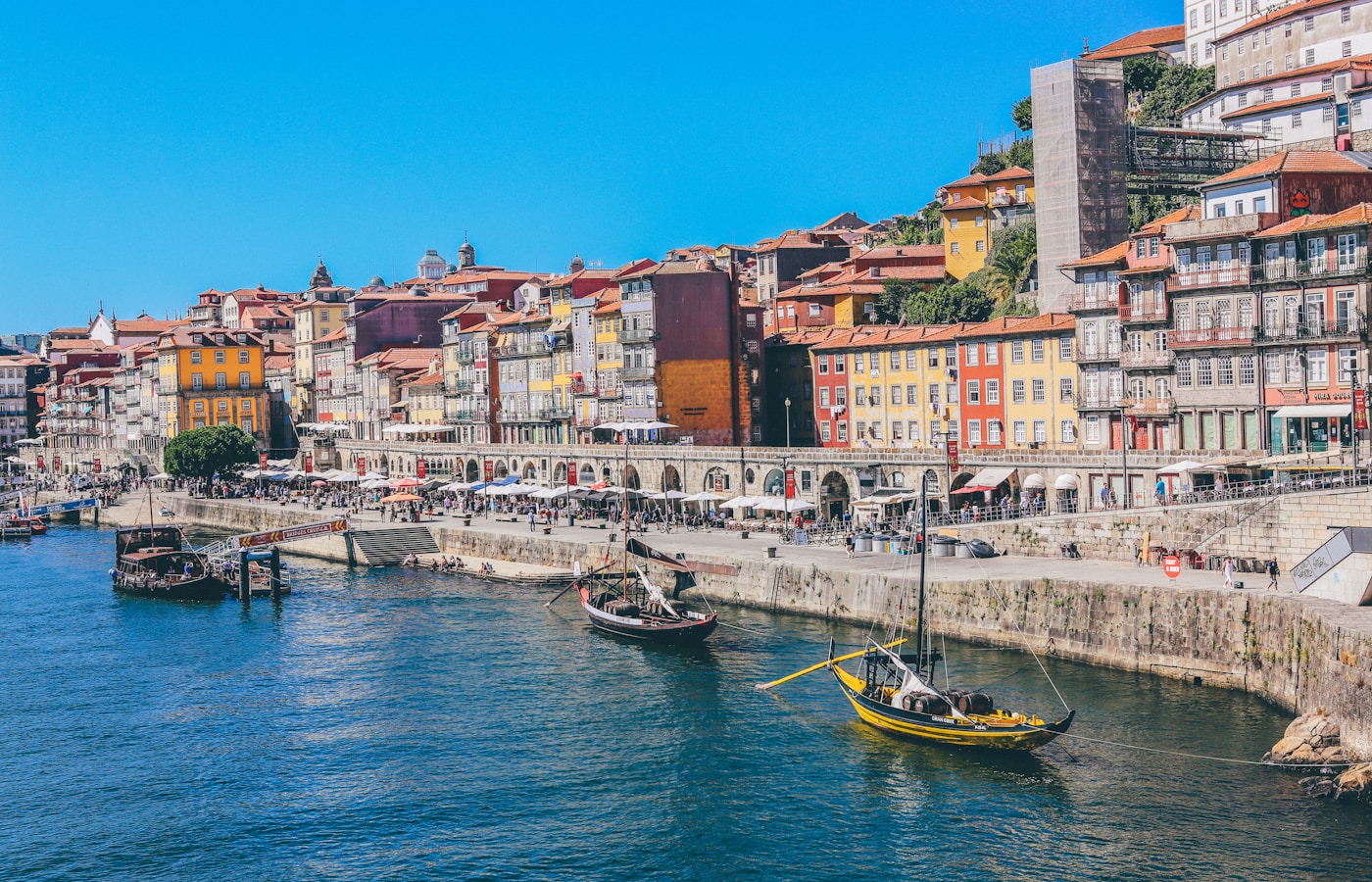
Lisbon moves gently.
It is not a city driven by urgency or constant reinvention. Instead, it unfolds through light, elevation, and daily rhythm. Hills slow movement. Views invite pauses. Time feels present rather than pressured.
For travelers, Lisbon is less about efficiency and more about attunement — learning when to move, when to stop, and when to simply observe.
Light as the City’s Constant Companion
Few cities are shaped as strongly by light as Lisbon.
Sunlight reflects off water, stone, and tiled facades, changing the city’s mood throughout the day. Streets feel different in the morning than they do at dusk. Even familiar routes transform with shifting light.
For visitors, this creates:
-
A strong sense of atmosphere
-
Natural moments for rest and reflection
-
A city that rewards repeated observation
Lisbon is experienced visually as much as spatially.
Movement Slowed by Design
Lisbon’s hills and narrow streets naturally slow the pace of life.
Walking requires attention. Public transport follows the city’s contours. Short distances can take time — but rarely feel wasted.
This physical structure encourages:
-
Fewer destinations per day
-
Longer stays in individual areas
-
A more intentional relationship with the city
Lisbon does not rush you forward.
Neighborhoods Shaped by History and Habit
Lisbon is best understood through its neighborhoods.
Each area carries its own rhythm, shaped by geography, history, and daily routines. Residential life blends into local commerce, music, and public space.
Rather than dramatic contrasts, the city offers gradual transitions:
-
From historic quarters to residential zones
-
From viewpoints to quiet streets
-
From activity to stillness
Lisbon reveals itself slowly.
A City Living Between Past and Present
Lisbon exists in a state of transition.
Its history remains visible, yet the city continues to adapt — culturally, socially, and economically. Old structures accommodate new uses. Traditions persist alongside change.
For travelers, this creates a city that feels:
-
Authentic rather than curated
-
Reflective rather than performative
-
Grounded without being static
Lisbon does not hide its evolution.
Sound, Silence, and Daily Rhythm
Sound plays a subtle role in Lisbon’s atmosphere.
Moments of quiet are common. Conversations, music, and city noise emerge gently rather than dominating space. Even busy areas retain a sense of calm.
Time unfolds in recognizable patterns:
-
Slow mornings
-
Active afternoons
-
Evenings shaped by social life and music
Lisbon moves at a human pace.
Who Lisbon Is For
Lisbon suits travelers who:
-
Enjoy slower exploration
-
Value atmosphere over volume
-
Appreciate cities shaped by geography
-
Seek reflection as much as discovery
It rewards patience and presence.
Explore Lisbon With an Intelligent City Guide
Because Lisbon’s experience depends on timing, elevation, and rhythm, guidance adds value.
A smart city guide helps you:
-
Choose routes that match energy levels
-
Plan days around light and terrain
-
Discover local areas without overloading the schedule
Instead of optimizing speed, you optimize experience.
Lisbon does not ask for urgency.
It asks for attention.