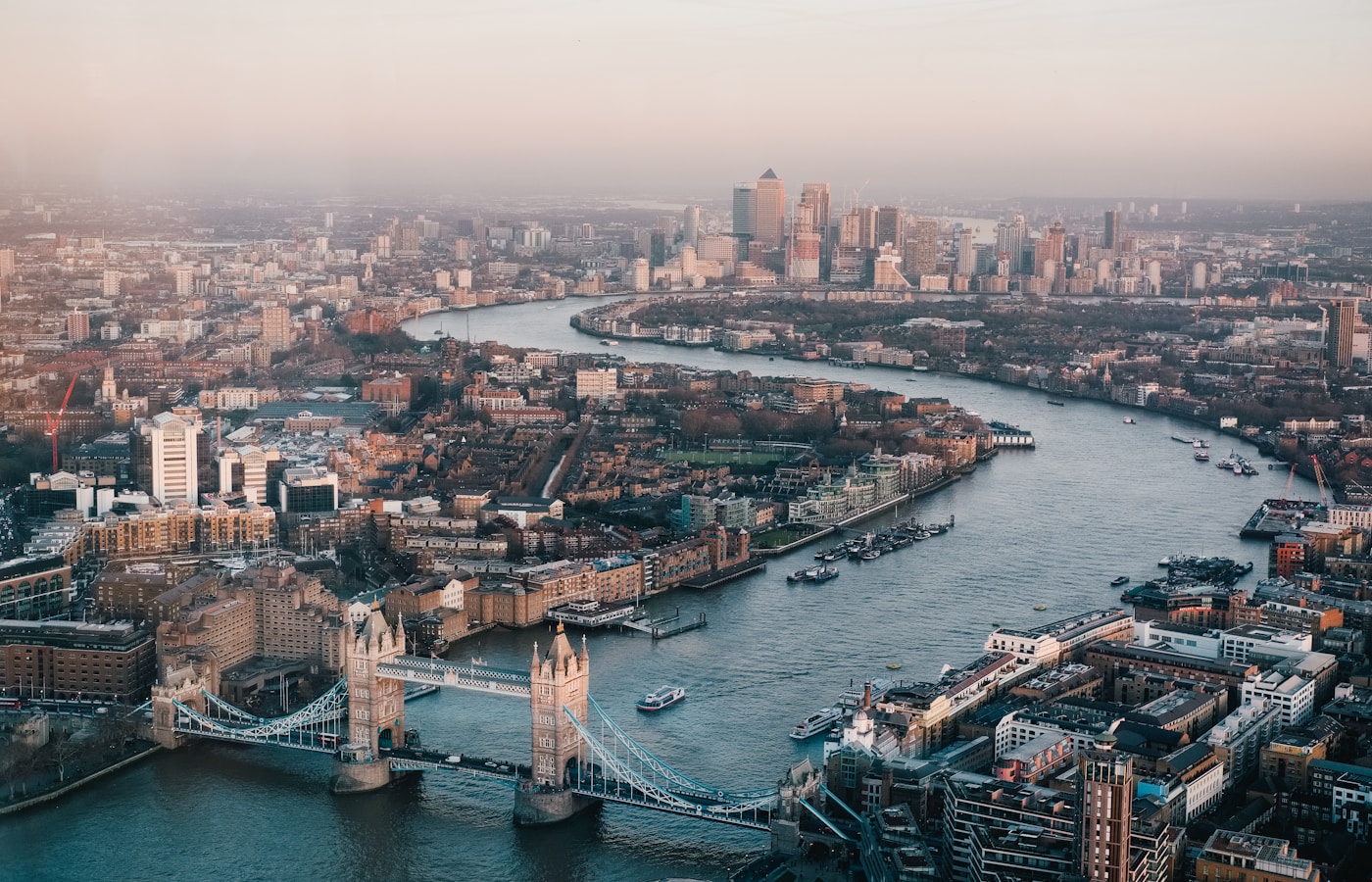
London is not a city that presents a single face.
It is experienced through accumulation — of history, neighborhoods, routines, and contrasts. What you notice on your first day is rarely what defines the city by the end of your visit.
For travelers, London is less about discovering something new and more about learning how old and new coexist.
A Global Capital That Still Feels Local
Few cities operate at London’s scale while retaining such strong local identities.
Behind major landmarks and financial centers lies a city organized around districts and daily rituals. Streets change character within minutes. Parks interrupt density. Residential areas sit directly beside commercial corridors.
London balances:
-
International influence with local continuity
-
Formal institutions with everyday informality
-
Global relevance with neighborhood loyalty
This duality defines how the city feels.
History as a Living Framework
In London, history is not confined to museums.
It shapes street layouts, architecture, and public spaces — not as a backdrop, but as infrastructure. Buildings from different centuries coexist without hierarchy, creating a city that feels layered rather than preserved.
For visitors, this means:
-
Familiar landmarks integrated into daily life
-
Historic areas that remain active and inhabited
-
A sense of continuity rather than nostalgia
London does not display its past. It builds on it.
Neighborhoods Over Highlights
London is best understood locally.
Rather than moving quickly between major attractions, the city rewards time spent within individual areas — walking, observing, and settling into local rhythm.
Each neighborhood carries its own tone:
-
Cultural districts shaped by arts and institutions
-
Residential areas defined by markets and high streets
-
Green spaces that anchor daily routines
London’s identity emerges through repetition, not spectacle.
Movement as Part of the Experience
Getting around London is not just functional — it shapes perception.
Walking, public transport, and short transitions between districts create a sense of scale without distance. The city feels expansive, yet navigable.
For travelers, this creates:
-
Constant shifts in atmosphere
-
Opportunities for unplanned discovery
-
A rhythm that encourages exploration without urgency
London moves steadily, not dramatically.
A City Comfortable With Complexity
London does not simplify itself.
It accepts contradictions: tradition and experimentation, formality and informality, global influence and local pride. These tensions are not resolved — they coexist.
This complexity gives the city depth and resilience.
Who London Is For
London suits travelers who:
-
Enjoy cities with strong cultural layers
-
Prefer exploration through neighborhoods
-
Appreciate history as part of daily life
-
Value structure without rigidity
It rewards curiosity and patience.
Explore London With an Intelligent City Guide
Because London is dense and layered, context matters.
A smart city guide helps you:
-
Navigate neighborhoods efficiently
-
Adapt plans to time, interests, and pace
-
Discover local areas beyond major landmarks
Instead of consuming the city, you learn how it works.
London does not rush to impress.
It reveals itself gradually, through attention.