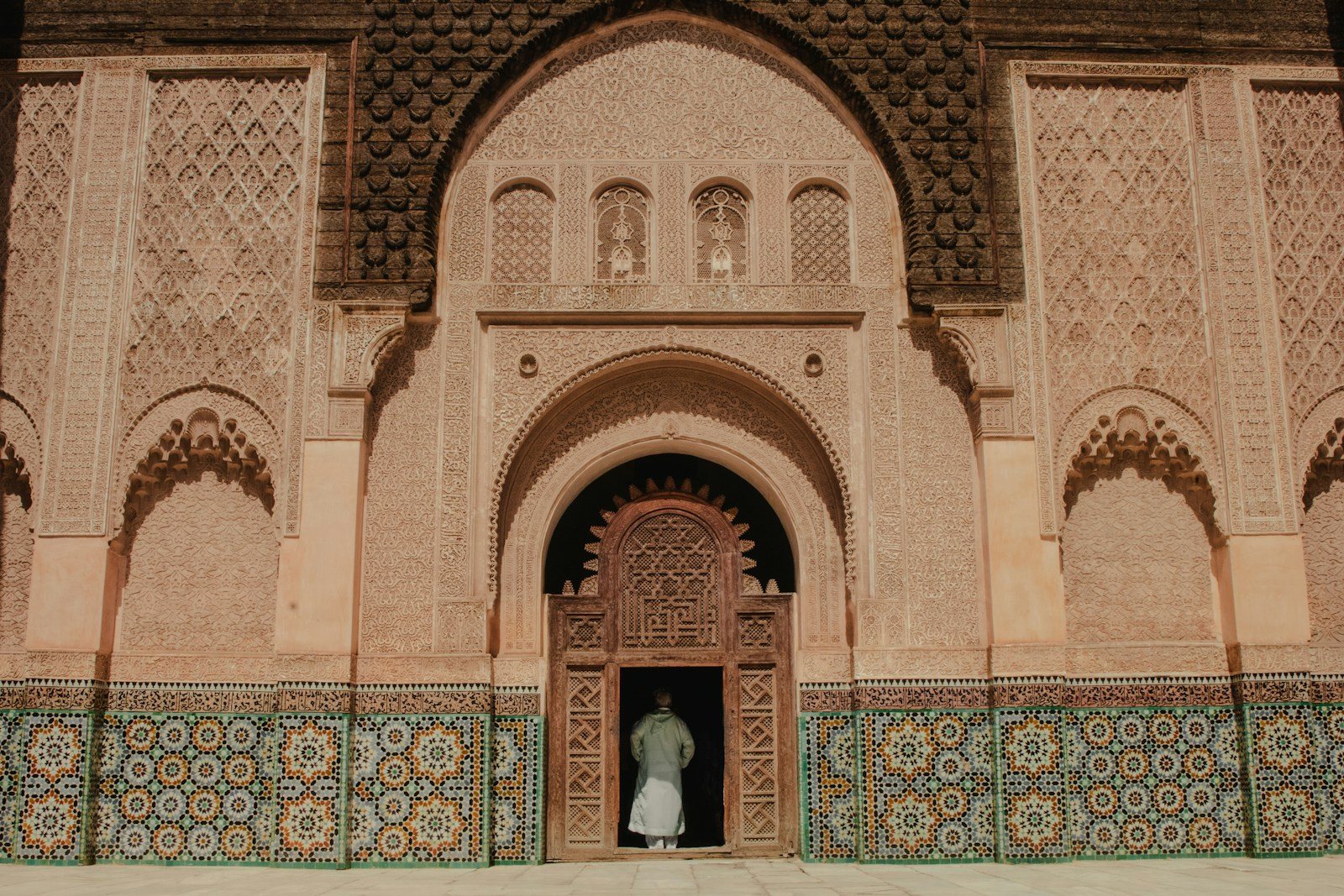
Photo: Omar Elsharawy / Unsplash
About Cairo
Cairo is the Arab world's largest city and one of the oldest continuously inhabited places on earth — and it feels that way. Islamic Cairo's medieval alleyways and minarets, Coptic Cairo's ancient churches, and the overwhelming Egyptian Museum could fill a week before you even reach Giza. But the pyramids are the thing — seeing them for the first time from the plateau, the desert stretching west behind them, is one of travel's genuine unmissables. The Egyptian street food culture is underrated: ful medames and ta'ameya (Egyptian falafel) for breakfast at a hole-in-the-wall, koshari from a koshary shop for lunch, grilled kofta in the Khan el-Khalili bazaar at night. Cairo rewards visitors who lean into the chaos rather than trying to manage it.
Highlights
Giza Pyramids at opening time — before the touts, extraordinary scale Egyptian Museum — the world's greatest collection of ancient artefacts Khan el-Khalili bazaar — medieval Islamic market, best on a weekday morning Koshari at Koshary El Tahrir — Egypt's national dish, the definitive version, always packed Al-Muizz Street at dusk — the best-preserved medieval Islamic street in the world Felucca on the Nile at sunset — an hour on the water as the city lights up

Plan My Trip with Ava
Neighbourhoods
Practical Info
Entry rules depend on your nationality. Check before you travel: Official entry information
Egyptian Pound (EGP). Cards are accepted in hotels and upscale places, but cash is preferred at markets and in smaller shops.
Tipping (baksheesh) is customary: in restaurants, and small change for drivers, guides, porters and service staff.
Cairo is generally safe for tourists, but be cautious of pickpockets, scams, and aggressive vendors in crowded areas like markets.
Vodafone and Etisalat SIMs are best for data; they are sold in their official stores.
Arabic is the official language, but English is widely spoken in tourist areas, hotels, and by younger Egyptians.
No traveller tips yet. Be the first to share one.
Related Guides


Share a tip.