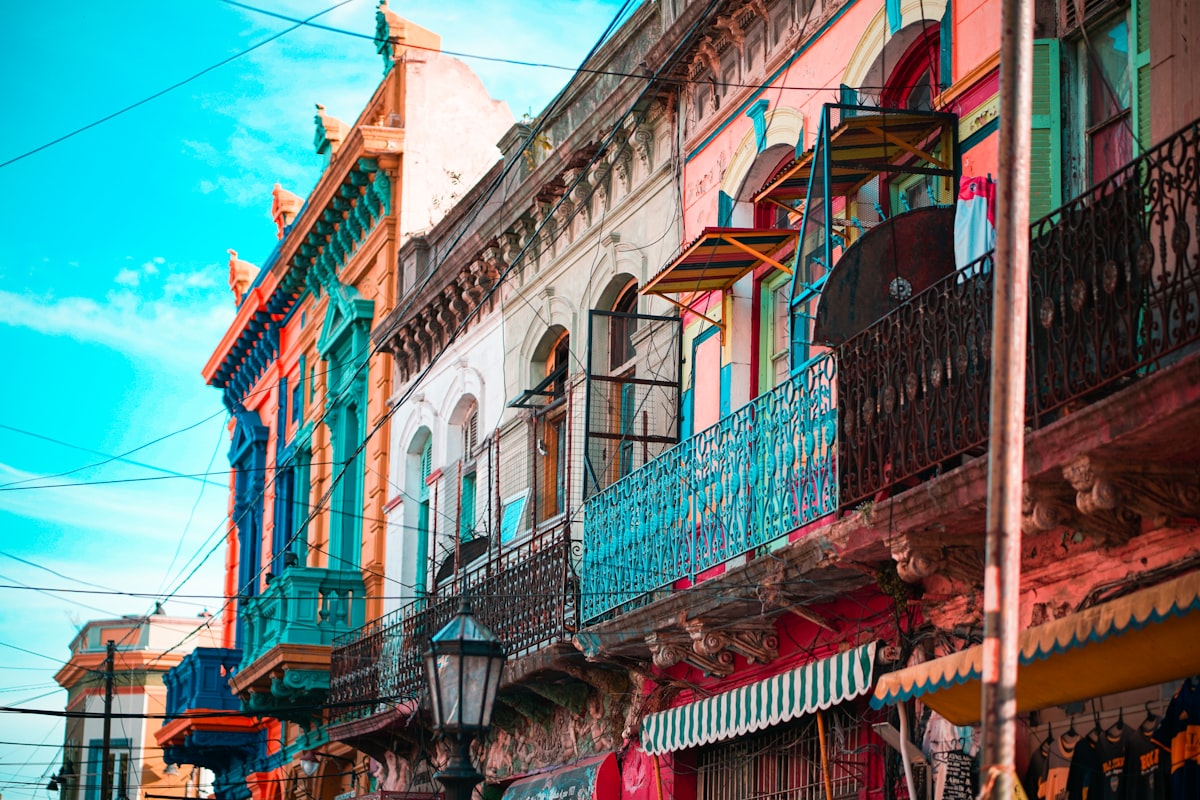
Rio has the best urban geography in South America — the Serra dos Órgãos mountains plunging into Guanabara Bay, Sugarloaf rising from the sea, Copacabana and Ipanema stretching in perfect arcs. The cable car to Sugarloaf at sunset and the cog railway to Christ the Redeemer are both worth it. The neighbourhood of Santa Teresa has the best bohemian food and arts scene; Lapa's samba bars take over on weekends. Ipanema beach is for people-watching and volleyball; the real local scene is at Leblon or Prainha to the west. Rio has a reputation for safety challenges — apply standard big-city awareness and you'll have one of South America's great experiences.
EU, UK, and US citizens can enter Brazil visa-free for tourism for up to 90 days.
The local currency is the Brazilian Real (BRL), with roughly 5 BRL to 1 USD. Credit and debit cards are widely accepted, but carry cash for small vendors and favelas.
Tipping is appreciated but not mandatory; 10% is standard in restaurants (often included as 'serviço'), and small change for drivers or hotel staff is common.
Rio is generally safe in tourist areas but has high crime rates; avoid flashing valuables, use Uber/taxis at night, and stay away from favelas without a guide.
Buy a local SIM from Claro or Vivo (around 10-20 BRL for 5GB) at official stores or airports for the best coverage.
Portuguese is the official language; English is spoken in tourist areas but not widely outside them.
Carry only the cash you need for the night and leave your good jewelry and extra cards at home — this isn't paranoia, it's just how everyone who lives here operates, and it lets you relax and enjoy yourself without anxiety. The lighter you travel, the better your night will be.
Botafogo has quietly become one of the most exciting neighborhoods for a night out over the last several years — it's where younger, creative locals go and it has far less of the tourist crowd you'll find in Ipanema. Walk around and let yourself stumble into something; that's exactly what the locals do.
Barra da Tijuca has a very different nightlife vibe from the rest of the city — it's more mall-culture and club-oriented, and less authentically carioca in feel. Most locals I know who want a real Rio night out stick to Lapa, Botafogo, or Gávea.
Forró nights — the infectious northeastern Brazilian dance music — are scattered across the city and are one of the most welcoming and genuinely joyful night-out experiences you can have here. Don't be shy about being a beginner; someone will happily pull you onto the dance floor and teach you the steps.
Use app-based rideshares to get around at night rather than hailing taxis on the street — it's safer, the price is transparent, and locals almost exclusively use them after dark. Keep your phone discreet when you're requesting the ride.
If you're heading to the Santa Teresa neighborhood at night, go with someone who knows the area and share a ride directly to your destination rather than wandering on foot — it's a beautiful, bohemian hillside neighborhood but the streets are poorly lit and the geography is confusing. Once you arrive somewhere, the atmosphere is usually incredible and very local.
Cariocas dress up more than you'd expect for a beach city — wearing flip-flops and board shorts to a night out in Ipanema will immediately mark you as an outsider. A clean, simple look goes a long way; think smart casual rather than formal.
Grab a chopp — a draft beer served ice-cold in a frosted glass — rather than a bottled beer when you're out; locals judge a spot by the quality of its chopp, and a well-poured one is a genuine pleasure on a hot Rio night. Never accept a warm glass.
In the Zona Sul neighborhoods like Ipanema and Leblon, the nightlife is more about flowing from one gathering to another — a friend's apartment, a quiet corner bar, a post-beach drinks setup — rather than a single destination. Cariocas are masters at turning any staircase or sidewalk into a party.
Lapa is the heartbeat of Rio's samba scene, and the magic happens on the street as much as inside any venue — people spill out onto the cobblestones with cups in hand, dancing and forming spontaneous rodas de samba. Just follow the sound of a cavaquinho and you'll find yourself in the middle of something unforgettable.
Locals almost never go out alone — nightlife here is deeply social and group-oriented, so if you're traveling solo, make friends at your pousada or hostel first. Walking into a venue with a group instantly changes how you're received.
In Rio, the night doesn't really start until at least midnight — showing up anywhere before then makes you look like a tourist. Have a relaxed dinner with friends first, then do a house party or pre-game on someone's rooftop before heading out.
Know something useful about Rio de Janeiro? Share it — earn 10 credits if accepted.