Busan

South Korea

Seoul's cooler, saltier sibling

About Busan

Busan is South Korea's second city but feels like a first choice. Built across hills that tumble into the sea, it has a rawness and energy that Seoul lacks — pastel-coloured villages clinging to cliffsides, fish markets where the catch is still moving, beaches that fill with locals every summer weekend. Jagalchi is Asia's largest seafood market: arrive at dawn for live octopus, grilled eel and soju at communal tables. Gamcheon Culture Village is painted in blues and yellows, a neighbourhood art project that became a genuine attraction. The food is outstanding — Milmyeon cold noodles, dwaeji gukbap pork soup, and raw fish eaten at the dock. The KTX bullet train from Seoul takes under three hours. Spring and autumn are perfect; summers are warm but crowded at the beaches.

Highlights

  • Jagalchi fish market at dawn — raw seafood breakfast with soju
  • Gamcheon Culture Village — the pastel hillside neighbourhood
  • Haedong Yonggungsa Temple built directly over the sea
  • Haeundae Beach at sunset, then cocktails in Marine City
  • Gukje Market for street food — dumplings, tteokbokki, pajeon
  • Taejongdae cliffs by bicycle — dramatic coastal scenery
Ava

Plan My Trip with Ava

Ava builds you a personalised travel plan for this city.

Start Planning →

Neighbourhoods

Gamcheon Culture Village
Colorful hillside houses, artsy murals, creative energy
Best for photography, street art, cultural experiences, panoramic views
Haeundae
Glamorous beachfront, lively nightlife, modern luxury
Best for beach relaxation, fine dining, nightlife, festivals
Jagalchi Fish Market
Bustling seafood hub, raw energy, authentic local flavor
Best for seafood dining, market exploration, local culture, fresh sashimi
Nampo-dong
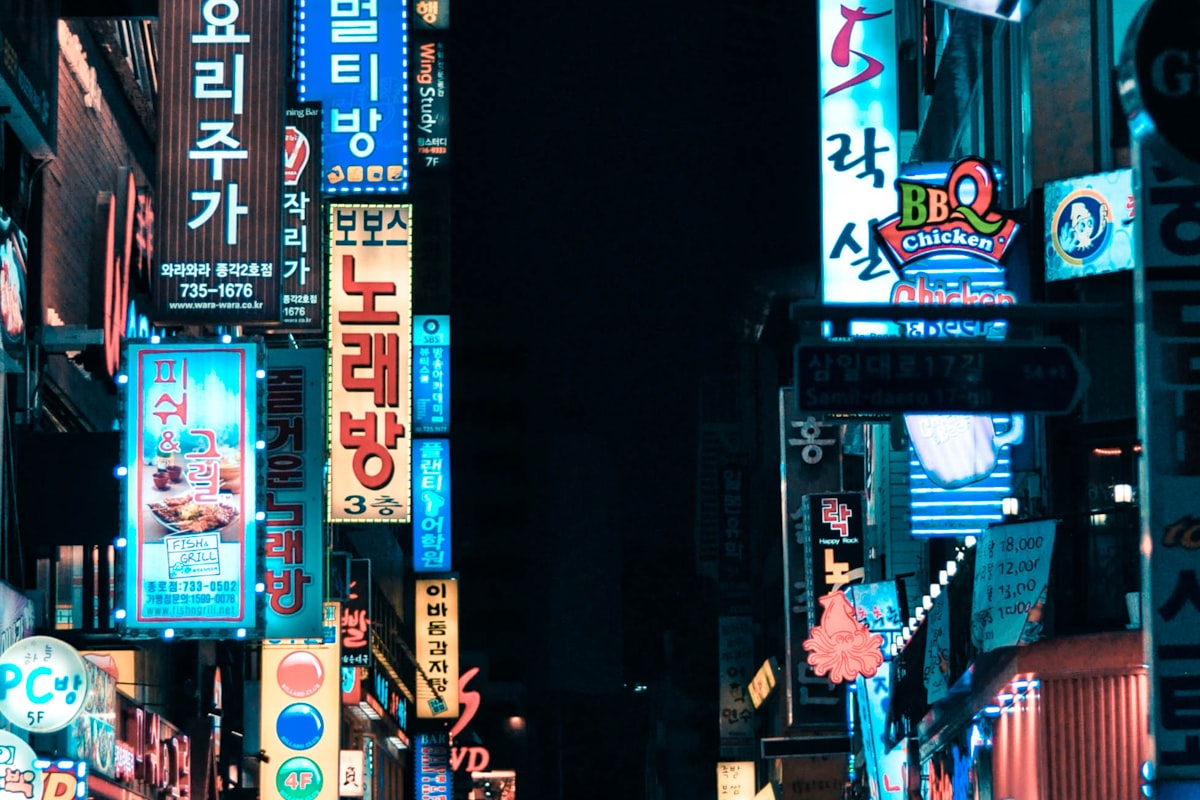
Shopping paradise, neon lights, youthful urban buzz
Best for shopping, street food, nightlife, people-watching
Seomyeon
Busan’s downtown core, vibrant streets, endless entertainment
Best for dining, shopping, nightlife, urban exploration
Taejongdae
Dramatic cliffs, ocean vistas, serene nature escapes
Best for hiking, nature walks, scenic views, relaxation

Practical Info

Visa

EU, UK, and US citizens can enter South Korea visa-free for up to 90 days for tourism.

Currency

South Korean Won (KRW); roughly 1,300 KRW per 1 USD. Credit/debit cards are widely accepted, but carry cash for small vendors and markets.

Tipping

Tipping is not customary in South Korea and can even be refused. Service charges are usually included in bills at upscale restaurants or hotels.

Safety

Busan is very safe with low crime rates, but be cautious of pickpockets in crowded areas like markets or public transport.

SIM / Data

Purchase a prepaid SIM (e.g., KT Olleh, SKT, or LG U+) at the airport or convenience stores for around 5,000-10,000 KRW per day for data.

Language

Korean is the official language; English is spoken in tourist areas and by younger people, but not fluently everywhere.

59 Local Tips

Haeundae beach at around 1-2am in summer is genuinely electric in a way the daytime version isn't — vendors, music drifting from nearby spots, people sitting on the sand with convenience store drinks. It costs nothing and honestly beats any club for atmosphere on a warm night.

The last subway runs around midnight so most locals either plan around it or fully commit to staying out until the first morning train around 5:30am — there's a whole crowd who specifically wait it out at a norebang or 24-hour spot rather than pay for a taxi. It's a legitimate strategy, not a last resort.

Street drinking from a convenience store is completely normalised and honestly one of my favourite things about this city — grab a bottle, pull up one of the plastic chairs outside, and watch the neighbourhood move around you. Nobody will bother you and locals do this all the time.

Locals do 2-cha and 3-cha, meaning a second and third venue after the first — the night is structured in rounds, not one long stay at a single spot. Suggesting you move on after an hour or two is totally normal and actually shows you know how a Korean night out works.

The harbour-side areas have a completely different nightlife feel to the beach — more local fishing crews, older crowd, raw seafood with makgeolli, and almost zero tourists. It's one of those experiences that feels like you accidentally stumbled into the real city.

If someone at the bar pours your drink for you without asking, pour theirs back immediately — it's how Koreans signal friendliness and starting a mutual drinking friendship. Pouring your own drink all night while ignoring others around you reads as standoffish.

Taxis are plentiful after midnight but surge in demand around 2-3am when the first wave of people leave — either stay out past 4am or leave before 1:30am to avoid waiting on a curb for ages. Kakao Taxi app works much better than flagging one down at peak hours.

Norebang (private karaoke rooms) are booked by the hour for your whole group, so the more people you bring the better the value and the less awkward it feels. Don't be shy about the tambourine — using it enthusiastically while someone else sings is genuinely expected.

The university districts are where locals actually drink, not the touristy beach strips — the energy is louder, cheaper, and way more authentic to what a real Busan night out feels like. Follow the sound of norebang machines and groups of students spilling onto the street.

Koreans almost never drink alone at a table — if you're solo, sit at the counter or near the owner and you'll naturally get pulled into conversation. Refusing a drink someone offers you is a bigger social faux pas than accepting one you didn't want.

The real late-night drinking culture here happens at pojangmacha tents, not bars — look for the orange tarp stalls near busy intersections after dark. You order anju (drinking snacks) alongside your soju and it's considered rude to just drink without eating something.

Know this city?

Know something useful about Busan? Share it — earn 10 credits if accepted.