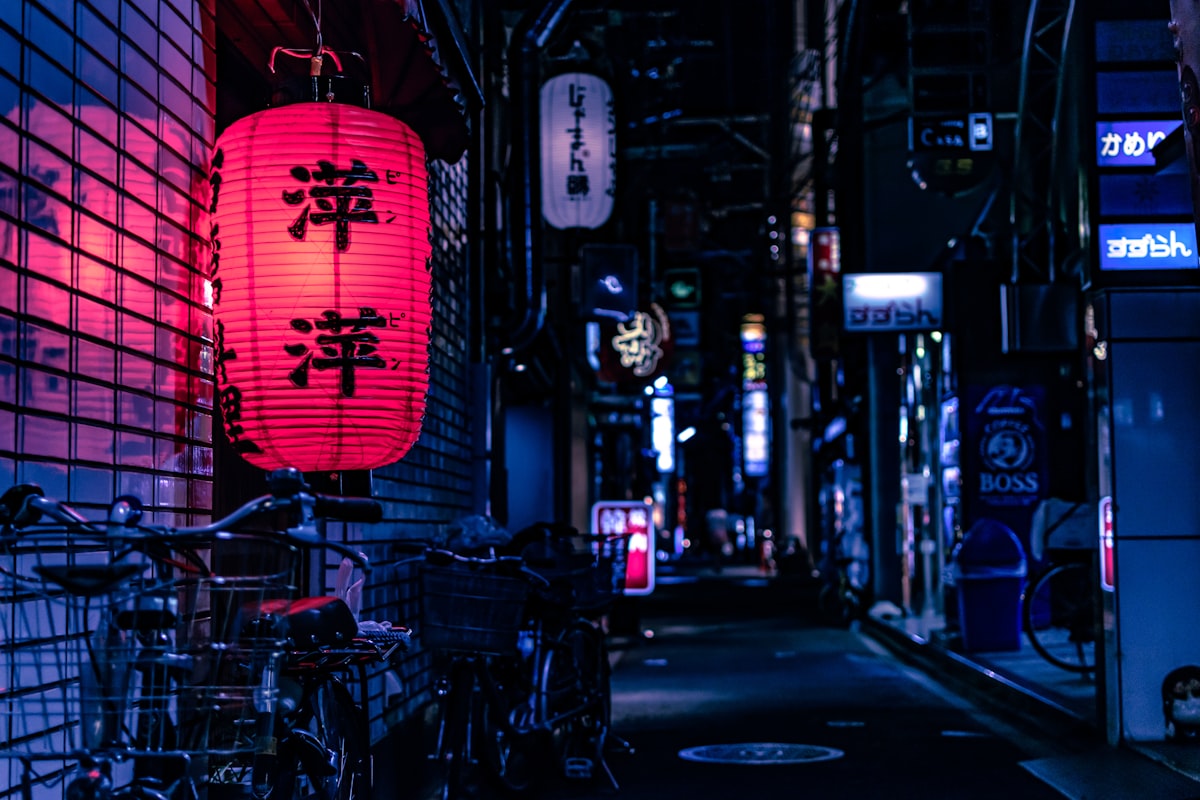
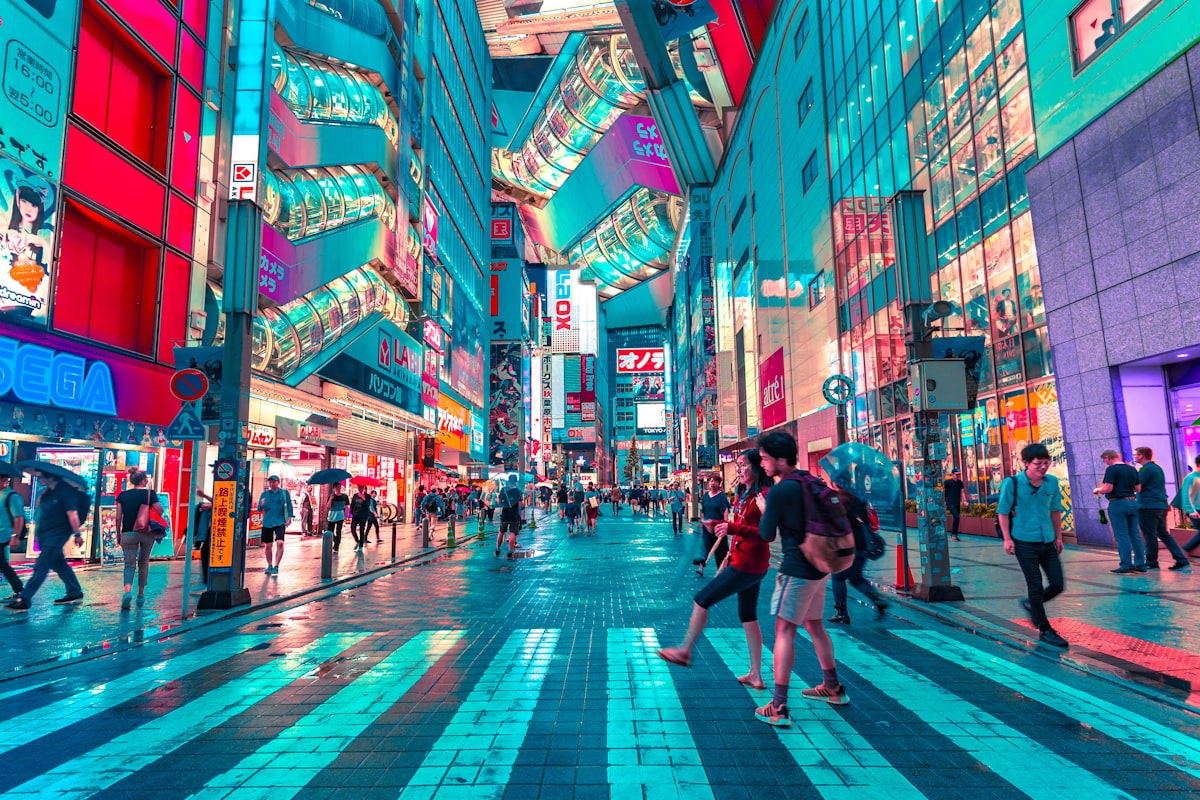
If Tokyo is Japan's head and Kyoto its soul, Osaka is its stomach — and its sense of humour. Osakans are louder, friendlier and more direct than the Japanese stereotype, with a civic pride anchored almost entirely in food. Takoyaki (octopus balls), okonomiyaki (savoury pancakes) and kushikatsu (deep-fried everything on a stick) are not snacks here — they are institutions with queues to match. Dotonbori at night is pure sensory overload: neon reflections in the canal, the Glico running man, crab signs the size of buildings. Osaka Castle is genuinely impressive. Shinsekai is a working-class retro district that resisted gentrification. And the city is perfectly placed: Kyoto is 15 minutes away, Nara 30 minutes, Hiroshima an hour by Shinkansen. Cherry blossom in April and autumn leaves in November are the visual peaks.
EU, UK, and US citizens can enter Japan visa-free for up to 90 days for tourism.
Japanese Yen (JPY); roughly 150 JPY per 1 USD (check current rates). Credit cards are widely accepted, but carry cash for small shops and rural areas.
Tipping is not customary and can be seen as rude; excellent service is standard without extra payment.
Osaka is very safe with low violent crime, but be cautious of pickpockets in crowded areas like Dotonbori and Namba.
Buy a tourist SIM (e.g., Ubigi or Sakura Mobile) at the airport or online (~¥3,000-5,000 for 5-10GB).
Japanese is the official language; English is limited but understood in tourist areas and hotels.
The underground walkways and covered shopping arcades don't just exist for daytime — at night they become the connective tissue between drinking spots, and navigating through them instead of street-level keeps you sheltered and oriented even after a few drinks.
If a local invites you to join their group at their table, say yes without overthinking it — Osaka people are famously the most outgoing in Japan and an impromptu invitation like that will usually lead to the most memorable night of your whole trip.
Karaoke here is a private room experience, not the terrifying public performance thing you might be imagining — you book a room with your group and sing badly in total privacy, which means there's no excuse not to go. It's genuinely one of the best ways to end a night and locals of all ages do it completely unironically.
Locals almost always eat seriously before or during drinking — it's not common here to drink on an empty stomach the way it is back home. If you see everyone around you ordering food with every round of drinks, follow their lead and you'll feel a hundred times better the next morning.
Osaka's nightlife spreads across very distinct neighbourhoods with different vibes, so it's worth picking one area and going deep rather than trying to hop between them — the walk or taxi between districts eats your night faster than you'd expect.
If you do miss the last train, the 24-hour convenience stores become a late-night social hub in a way that genuinely surprised me when I first arrived — people sit outside eating, drinking canned beers from the fridge, and chatting until the first train runs again. It sounds unglamorous but it's actually one of my favourite parts of a big night out.
The last train is your hard deadline and everyone knows it — locals track it obsessively, and missing it means an expensive taxi or a long wait until the first morning train around 5am. Check the last departure time for your line at the start of the night, not the end.
If you end up in a place that does 'nomihodai' (all-you-can-drink), pace yourself properly — Osaka people treat it as a social marathon, not a sprint, and the ones who go too hard too fast are always obviously tourists. Sip slowly, eat plenty, and you'll last the distance.
Learn the word 'nomunication' — it's a Japanese portmanteau of 'nomu' (to drink) and 'communication,' and it perfectly captures how Osaka people use drinking as a way to bond, open up, and say things they'd never say sober. Lean into it and you'll have some of the most honest conversations of your trip.
The narrow alleys packed with tiny standing bars are where the real Osaka night happens — look for spots where salarymen are spilling out onto the street after work, because those are usually the ones with the best atmosphere and the most talkative locals.
When you're drinking with locals, never pour your own drink — always pour for the person next to you and wait for someone to return the favour. It sounds small but it signals you're not just a tourist passing through, and people will warm up to you incredibly fast.
Know something useful about Osaka? Share it — earn 10 credits if accepted.