Shenzhen did not exist 45 years ago. Today it is a city of 17 million, the hardware capital of the world, and arguably the most interesting urban experiment on the planet. Huaqiangbei is a district where you can buy any electronic component ever made — floors of stalls selling chips, screens, drones and gadgets at factory prices. OCT-Loft is the creative counterweight: converted factories housing galleries, design studios and some of the best coffee in China. The food scene reflects the city's migrant makeup — you can eat Cantonese, Sichuan, Hunanese and Chaozhou food within a five-minute walk. The border with Hong Kong is seamless via metro, making Shenzhen a natural day trip or base. Autumn and winter (October–February) are the ideal months — warm, dry and clear.
EU/UK/US citizens need a visa to enter China, typically a 30-day single-entry L visa for tourism, applied for in advance.
The local currency is the Chinese Yuan (CNY); roughly 7.2 CNY = 1 USD. Credit cards are widely accepted, but mobile payments (WeChat Pay/Alipay) are dominant—cash is rarely needed.
Tipping is not customary in China and may even be refused; service charges are rarely added to bills, except in high-end hotels or international restaurants.
Shenzhen is very safe with low violent crime, but be cautious of pickpockets in crowded areas and scams targeting tourists, especially in tourist-heavy zones.
Buy a local SIM from China Mobile or China Unicom at the airport or official stores (~50-100 CNY for 20-40GB); eSIMs are available but require a Chinese ID for registration.
Mandarin is the official language; English is limited outside expat areas and major hotels, so translation apps are helpful.
Noise complaints in dense residential areas mean that street-level music often cuts off abruptly and unexpectedly — locals don't panic, they just migrate to the next spot because everyone already knows the backup plan. The nightlife here is very fluid and you'll have a much better time if you stay loose about the itinerary.
The newer Qianhai and Houhai waterfront areas in Nanshan have become the go-to for a younger, more design-conscious crowd who want a view without the Futian tourist trap pricing. The scene out there still feels a bit undiscovered, which honestly makes it more fun.
Shenzhen has a huge rave and underground electronic music culture that's almost invisible unless you know where to look — follow local DJs on social media and the event info gets shared through private WeChat groups rather than public listings. Getting added to one of those groups is worth more than any guidebook.
Late-night eating is as much a part of nightlife here as drinking — locals almost always end the evening at a hotpot spot or a skewer street rather than just going home after last call. If someone asks if you want to eat after the bar, say yes, because that's actually where the real conversations happen.
The OCT Loft area in Nanshan transforms completely after dark on weekends — the arts district crowd spills out onto the alleyways and there's often live jazz or indie music drifting out of doorways. It's the kind of nightlife that feels nothing like the mainland China stereotype, so it catches a lot of visitors off guard.
If someone invites you to KTV, know that it's a serious social ritual here, not just background noise — people actually rehearse their songs and take it personally if you're half-hearted about it. Throw yourself in completely, pick something everyone knows, and you'll earn more genuine goodwill than any amount of drinking together.
The metro closes around 11pm and Didi surge pricing gets genuinely brutal on weekend nights, so the locals' trick is to pre-order your ride home before you think you need it, or start walking a block away from the main strip before requesting — it cuts your wait time dramatically.
WeChat Pay is absolutely non-negotiable at night — I've seen people turned away at the door of late-night spots because they only had cash or a foreign card. Get a local friend to help you top up a WeChat wallet before you go out, or you'll spend the night awkwardly negotiating.
The underground bar scene in old Shekou has a very different energy from the flashy Futian clubs — it's where the longterm expats and creative locals actually hang out, and the vibe is way more relaxed and interesting. That whole pocket of the city rewards just wandering down side streets after dark.
Splitting a bottle of baijiu at a table with strangers is completely normal here and one of the fastest ways to actually connect with locals — don't be alarmed if someone just pulls your chair over to their group. The etiquette is to always pour for others before yourself and never let someone's glass sit empty.
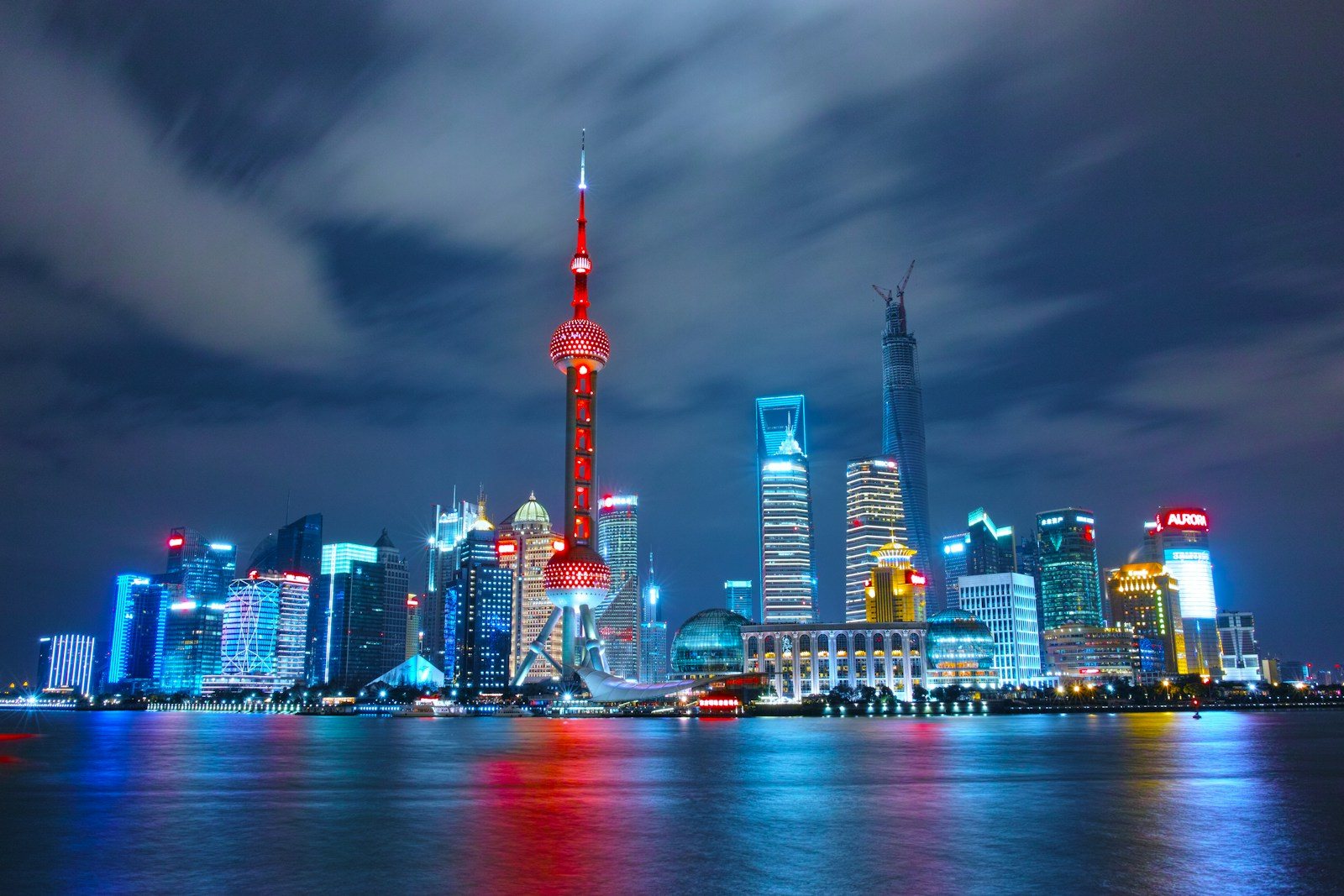
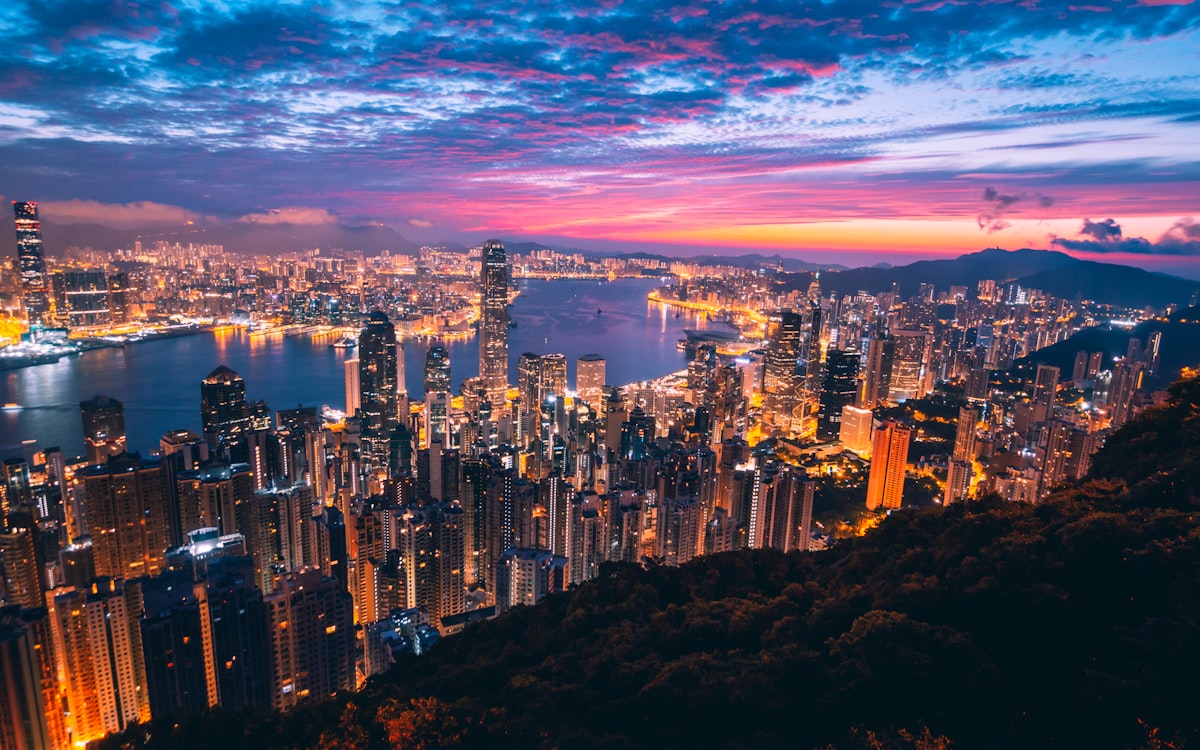
The rooftop bar scene here is genuinely spectacular because of the skyline, but locals know to position themselves on the Futian or Nanshan side to get the full city-glow effect rather than looking out at construction sites. Always ask which direction the terrace faces before you commit to climbing up.
In Shenzhen, the night doesn't really get started until after 10pm — if you show up to any bar or club area before then, you'll basically be alone with the staff doing their pre-service cleanup. Locals eat late, then migrate, so just sync your internal clock about two hours later than you normally would.
Know something useful about Shenzhen? Share it — earn 10 credits if accepted.