Hong Kong

China

East meets West, full volume

About Hong Kong

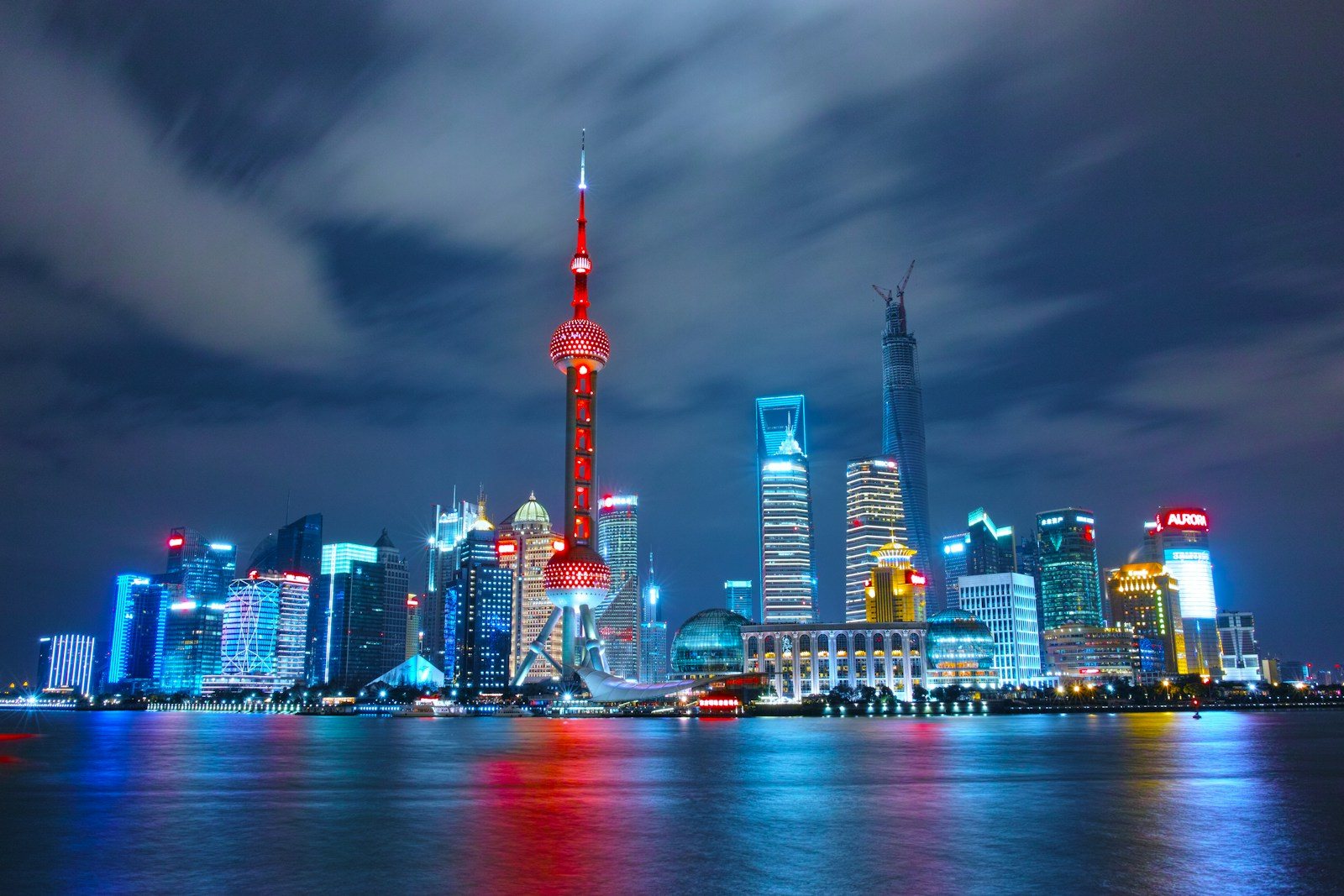
Hong Kong is a city of vertical extremes — neon-lit street markets wedged between glass skyscrapers, ancient temples next to Michelin-starred restaurants, rainforest hiking trails accessible by metro. The harbour view from Victoria Peak at night is one of the great urban spectacles anywhere. Kowloon's night markets and Temple Street offer the chaotic, street-level Hong Kong of old films; the Mid-Levels escalator climbs through a neighbourhood of wine bars and expat cafés. The food scene is exceptional: dim sum for breakfast is an institution, roast goose in Sham Shui Po a ritual. Lantau Island offers a change of pace — the Big Buddha, Tai O fishing village, and near-empty beaches. October to December brings the best weather: low humidity, clear skies.

Highlights

  • Dim sum breakfast at a proper yum cha — Tim Ho Wan or Lin Heung Tea House
  • Victoria Peak at sunset then the harbour light show at 8pm
  • Temple Street Night Market for jade, street food and fortune tellers
  • Star Ferry crossing — the best 50 cents you will spend anywhere
  • Tai O fishing village on Lantau — stilted houses over the water
  • Rooftop bar in Central then Lan Kwai Fong for late-night chaos
Ava

Plan My Trip with Ava

Ava builds you a personalised travel plan for this city.

Start Planning →

Neighbourhoods

Central
Skyscraper jungle with colonial charm and finance buzz
Best for business, rooftop bars, luxury shopping, historic landmarks
Sheung Wan
Hipster-meets-traditional, dried seafood shops and cafés
Best for local markets, trendy cafés, heritage walks, boutique shopping
Tsim Sha Tsui
Neon-lit waterfront hub with museums and shopping
Best for harbour views, nightlife, cultural museums, street food
Wan Chai
Lively mix of old-school bars and modern skyscrapers
Best for nightlife, local eats, historic sites, live music
Kowloon City
Gritty, foodie paradise with old Hong Kong vibes
Best for authentic dining, street food, local culture, hidden gems
Sai Kung
Coastal village charm with seafood and outdoor adventures
Best for hiking, seafood feasts, kayaking, weekend getaways

Practical Info

Visa

EU, UK, and US citizens can enter Hong Kong visa-free for stays of up to 90 days.

Currency

The local currency is the Hong Kong Dollar (HKD), with roughly 7.8 HKD to 1 USD. Credit cards are widely accepted, but small vendors may prefer cash.

Tipping

Tipping is not mandatory but appreciated; 10% service charge is often added to bills in restaurants, and small change is fine for taxis or porters.

Safety

Hong Kong is generally very safe, but be cautious of pickpockets in crowded areas and avoid political demonstrations.

SIM / Data

Buy a local SIM from CSL or 3HK at the airport or convenience stores for around 80-100 HKD for 5-7GB of data.

Language

Cantonese and English are official languages; English is widely spoken in tourist areas and business districts.

Essential Phrases Mandarin

你好
nǐ hǎo
Hello
谢谢(謝謝)
xiè xiè
Thank you
请问去...(請問去...)
qǐng wèn qù
Excuse me, how to get to...

In Hong Kong, locals primarily speak Cantonese. Mandarin is understood in tourist areas. Consider learning basic Cantonese greetings too.

Want to learn more Mandarin before your trip? Start learning free →

60 Local Tips

After a big night out, locals head for congee or wonton noodle soup at whatever place is still steaming at 4am — it's the unofficial closing ritual and it will genuinely make you feel human again before bed.

The Kowloon waterfront at night is genuinely one of the best free things you can do — locals walk it, couples sit on the railings, and the skyline view across the harbour is something no bar interior can compete with.

Hong Kongers drink but rarely get sloppy in public — if you're visibly very drunk and loud, people will move away from you and you'll kill the vibe at whatever spot you're in. Match the energy of the room.

Sham Shui Po on the Kowloon side has a completely different late-night vibe that most tourists never find — it's more local, more neighbourhood, and the food stalls running late are genuinely some of the best eating you'll do here.

Taxis at 3am after closing time are a bloodbath of competition — walk two blocks away from the main bar street before you hail one and you'll get picked up in under a minute instead of standing in a scrum for 20.

If you're in a bar and someone offers you a glass from their bottle of whisky, accept it — bottle service is a social gesture here and refusing feels rude. Just pour back when you can.

Lan Kwai Fong gets written about everywhere but the locals who actually live nearby tend to drift one street back or up the hill — follow anyone who looks like they know where they're going rather than the crowd spilling onto the main drag.

Cantonese karaoke culture is serious business here — if a local colleague invites you, they genuinely mean it as a bonding gesture, not a joke. Go, be bad at it, and you'll earn more respect than if you'd declined.

The last MTR runs around midnight and everyone knows it — if you miss it, don't panic. Night buses run all night and are surprisingly efficient, just have your destination written in Chinese on your phone to show the driver.

Wan Chai is the area locals joke about but still end up in at 2am — it's loud, chaotic, and genuinely fun if you stop pretending you're too cool for it. Just go with the energy.

Learn to spot a 'dai pai dong' that's set up plastic stools outside at night — that's where locals are actually drinking cheap cold beer and eating. Pull up a stool and point at what the table next to you is having, nobody minds.

Don't show up to any rooftop bar before 9pm — you'll be sitting alone with the staff and it's awkward for everyone. Hong Kong nightlife doesn't actually start until late, and the energy only picks up well past 10.

Know this city?

Know something useful about Hong Kong? Share it — earn 10 credits if accepted.