Miami lies on Biscayne Bay, with the Art Deco district of Miami Beach across the water and Little Havana, the centre of Cuban exile life, inland. About 70 percent of its people are Hispanic or Latino.
Photo: Denys Kostyuchenko / Unsplash
About Miami
Before Europeans arrived, the Tequesta lived on this coast; the city is named after the Mayaimi, a people of Lake Okeechobee. The Spanish set up a mission among the Tequesta on Biscayne Bay in 1567, and Fort Dallas was a military base in the Second Seminole War. After the Great Freeze of 1894, Julia Tuttle persuaded Henry Flagler to bring his railway here, and Miami became a city in 1896. It boomed in the 1920s until the real-estate bubble burst and the 1926 hurricane struck. After 1959 many Cubans fled to Miami, received at the Freedom Tower. Today about 70 percent of its people are Hispanic or Latino.
Must-sees
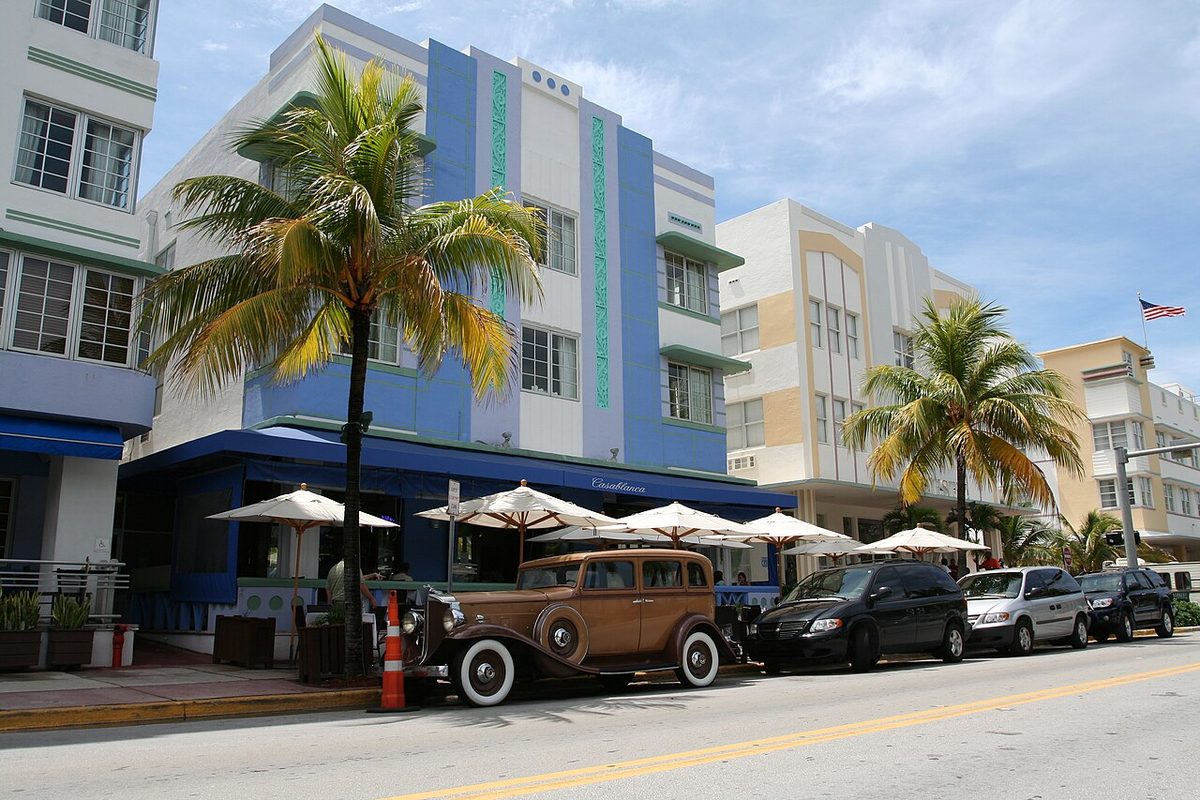
Photo: Massimo Catarinella, CC BY-SA 3.0 / Wikimedia Commons
The historic district of South Beach, on the National Register since 1979, with some 960 historic buildings; Ocean Drive is its main street by the beach.
Wikipedia (en)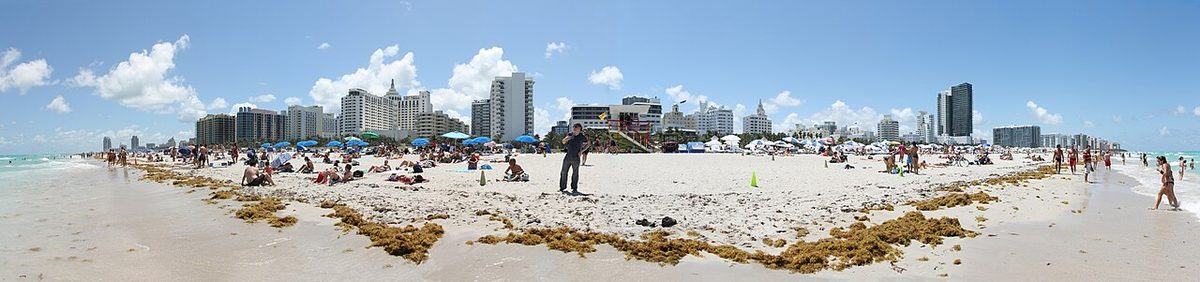
Photo: Ianaré Sévi, CC BY-SA 3.0 / Wikimedia Commons
A 74-acre public park and beach on the Atlantic in South Beach; swim where lifeguards are on duty and check the warning flags.
Wikipedia (en)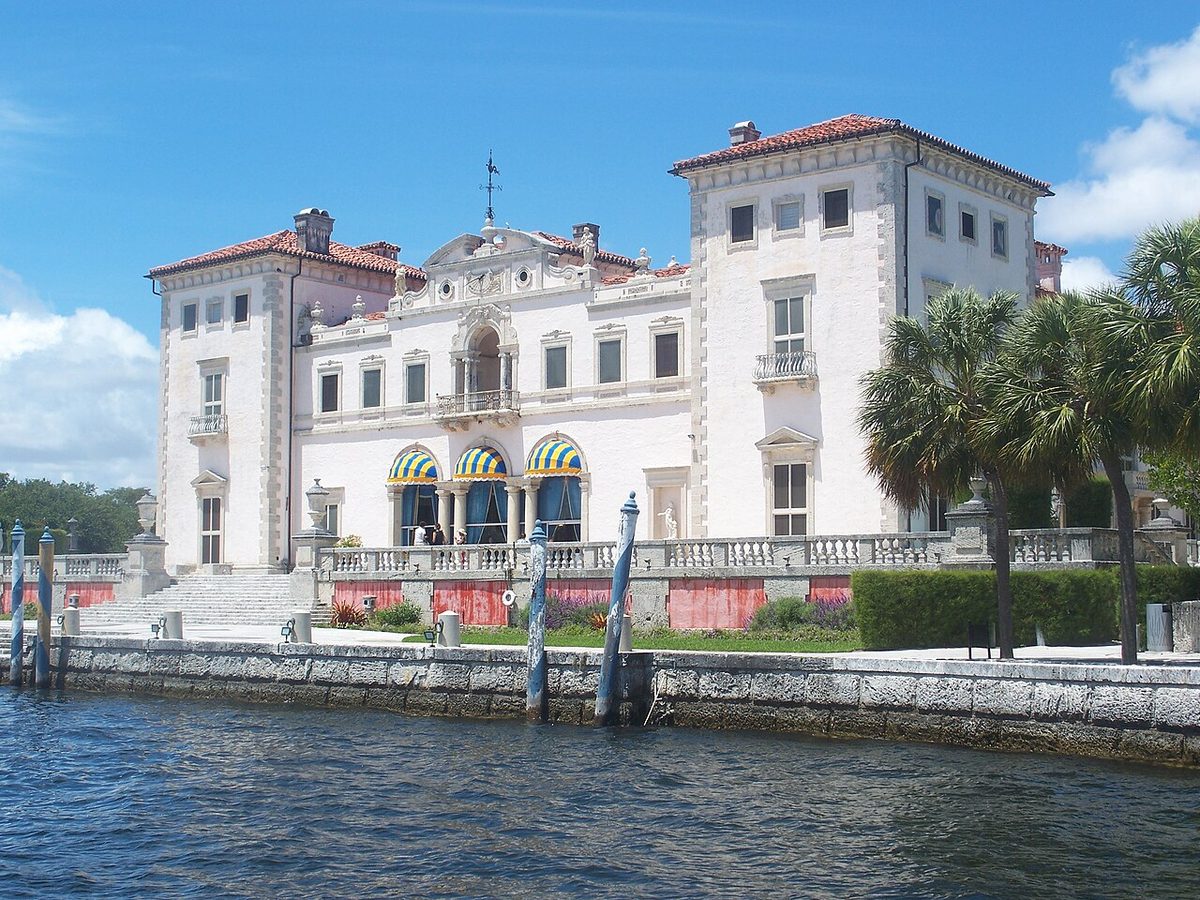
Photo: Ebyabe, CC BY-SA 3.0 / Wikimedia Commons
James Deering's former villa on Biscayne Bay, from the early 20th century, with Italian Renaissance gardens, native woodland and a historic village.
Closed on Tuesdays.
Wikipedia (en)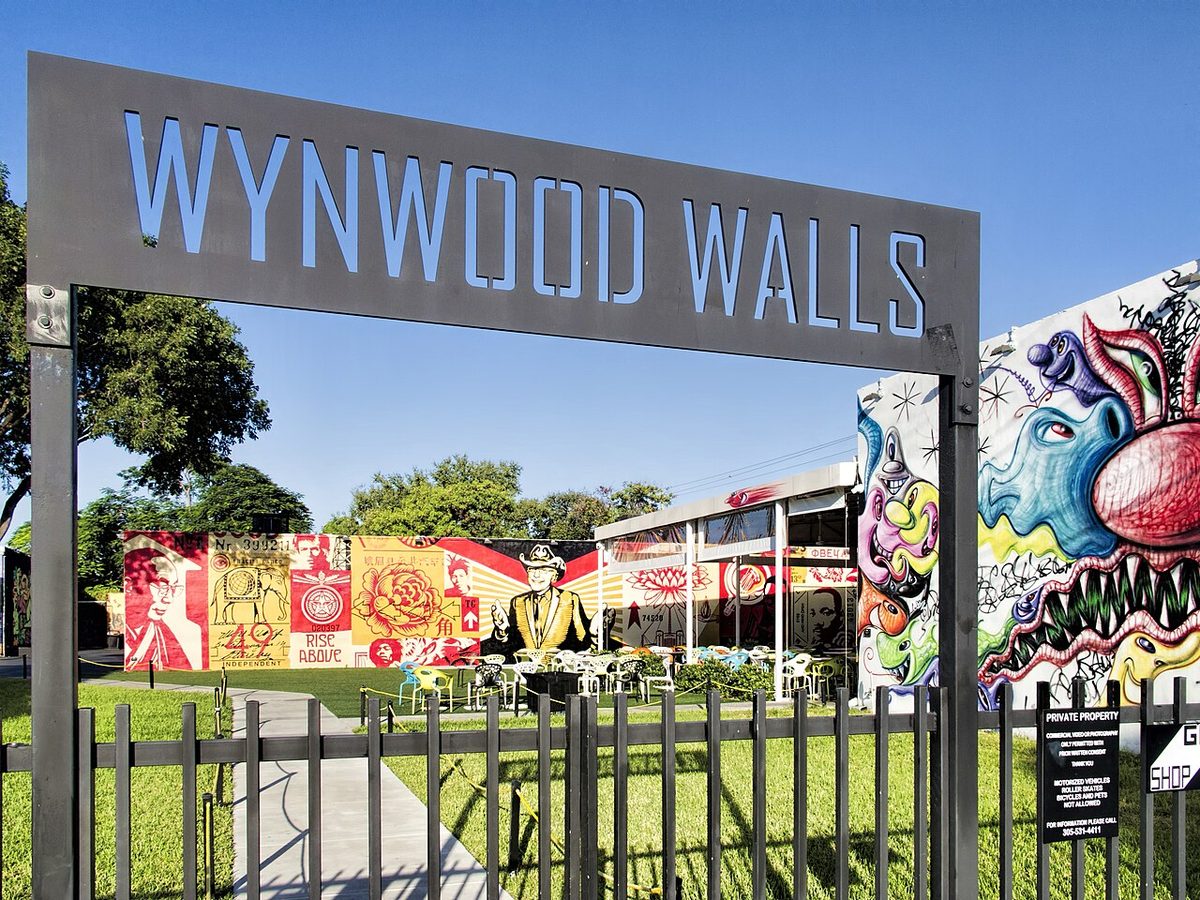
Photo: Dan Lundberg, CC BY-SA 2.0 / Wikimedia Commons
An open-air street-art museum in Wynwood, opened in 2009; entry is by ticket.
Wynwood Walls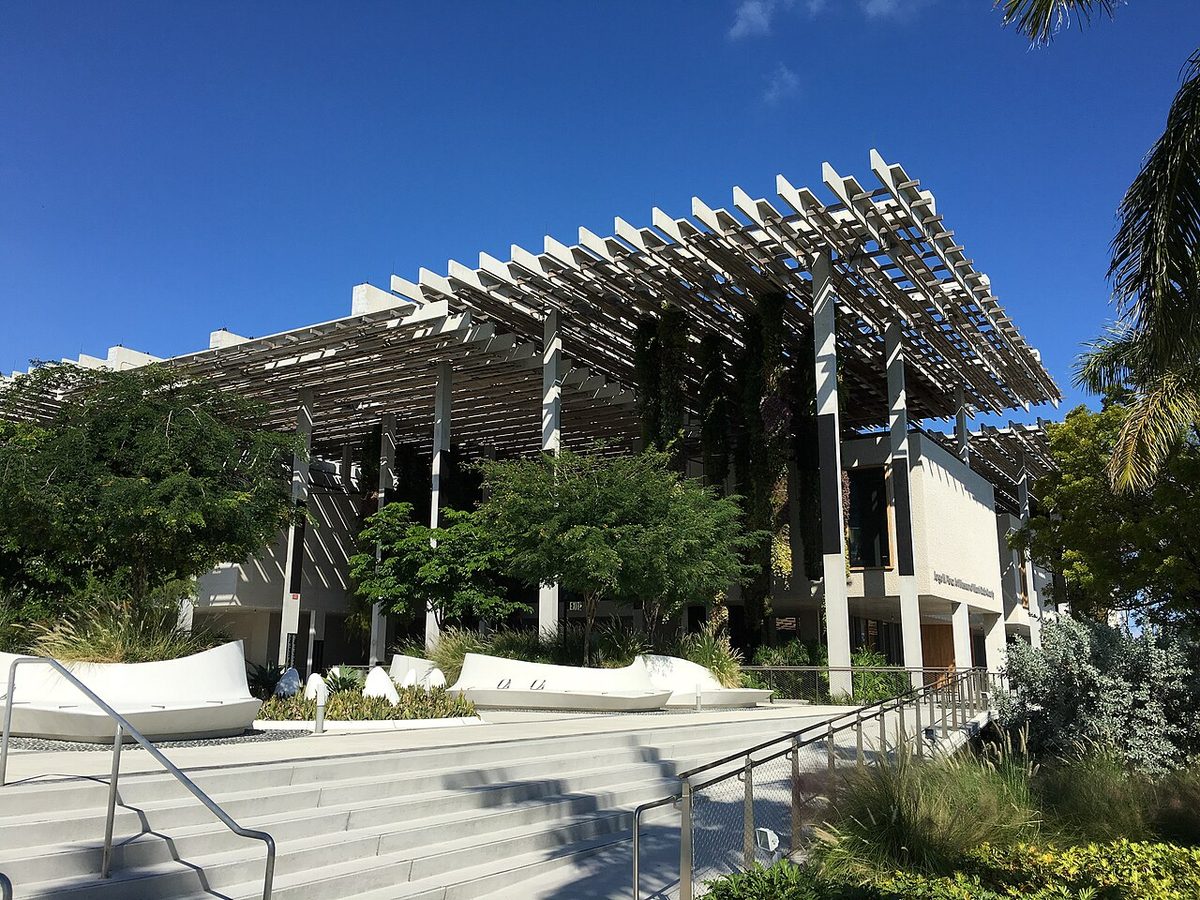
Photo: Phillip Pessar, CC BY 2.0 / Wikimedia Commons
Miami's contemporary art museum, in a building by Herzog & de Meuron in Maurice A. Ferré Park, opened in 2013.
Closed on Tuesdays and Wednesdays.
Wikipedia (en)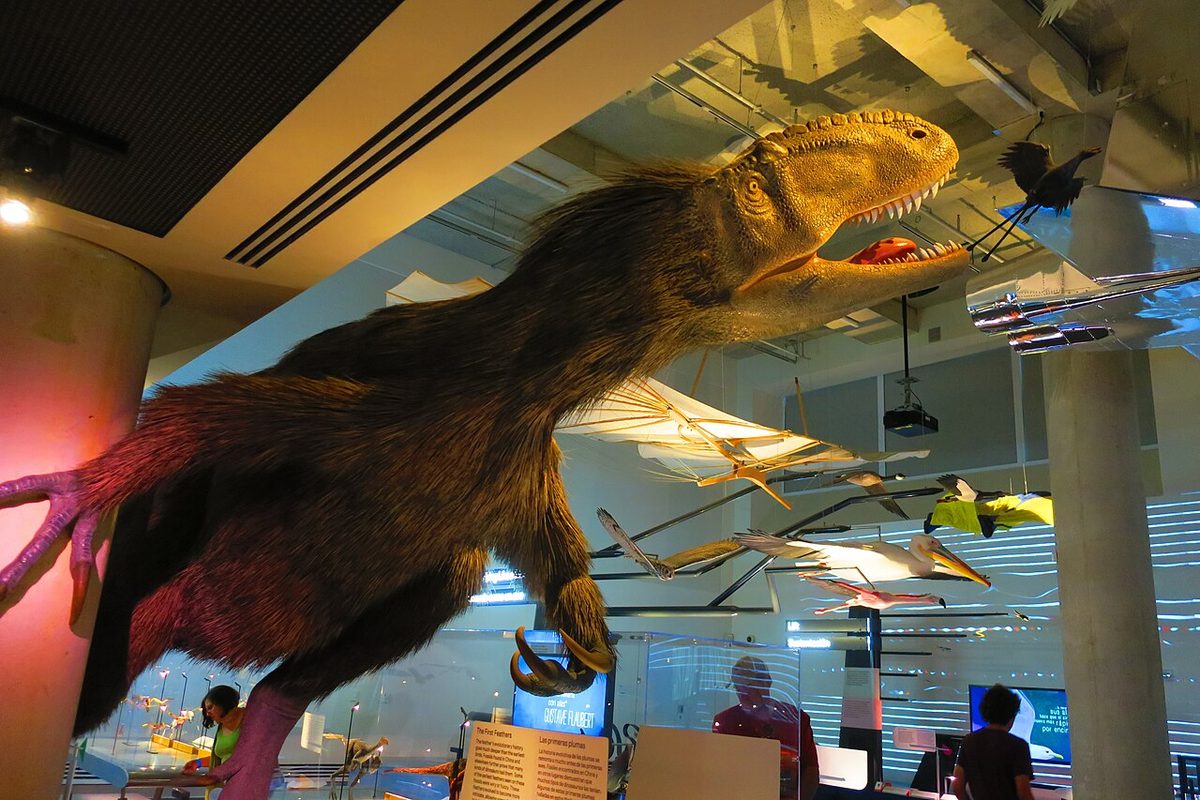
Photo: Chris Dignes, Public domain / Wikimedia Commons
A science museum with a planetarium and an aquarium in Maurice A. Ferré Park, next to the Pérez Art Museum since 2017.
Open every day.
Wikipedia (en)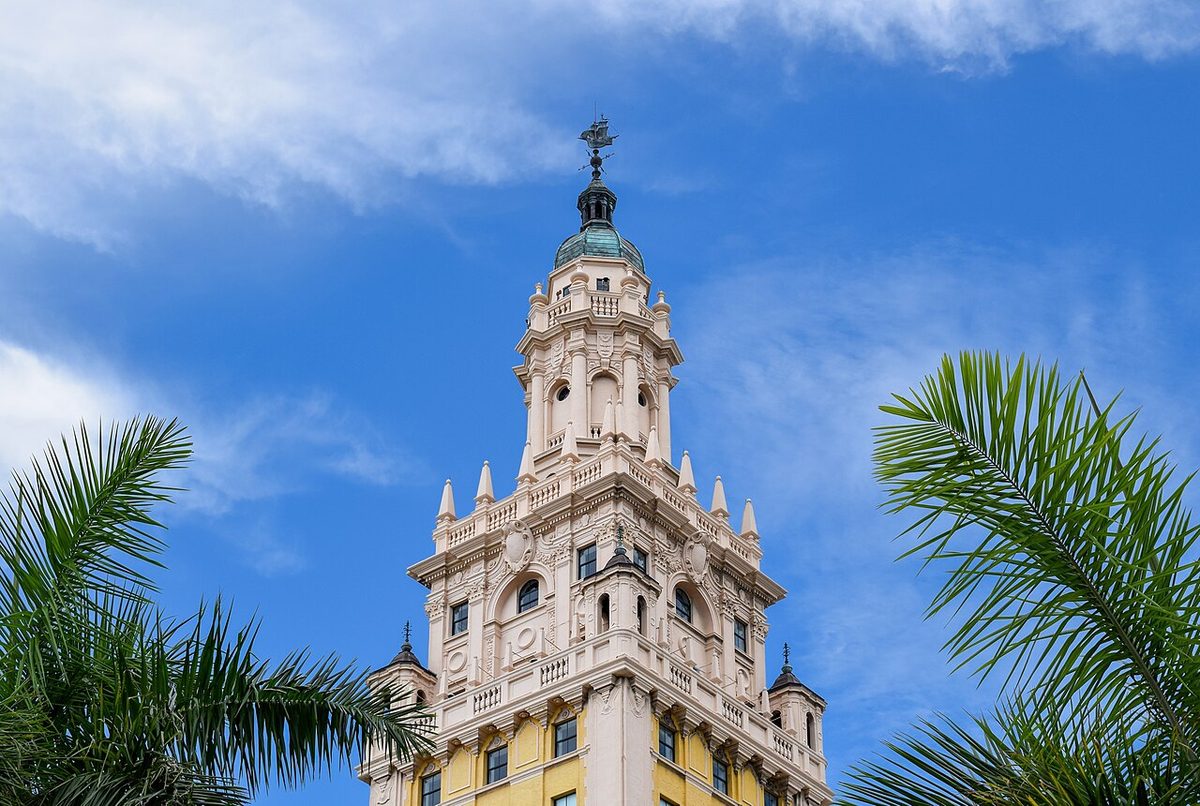
Photo: Radomianin, Public domain / Wikimedia Commons
The 1925 tower where Cubans fleeing the 1959 revolution were received; a National Historic Landmark, it reopened in 2025 after restoration as a Miami Dade College museum.
Wikipedia (en)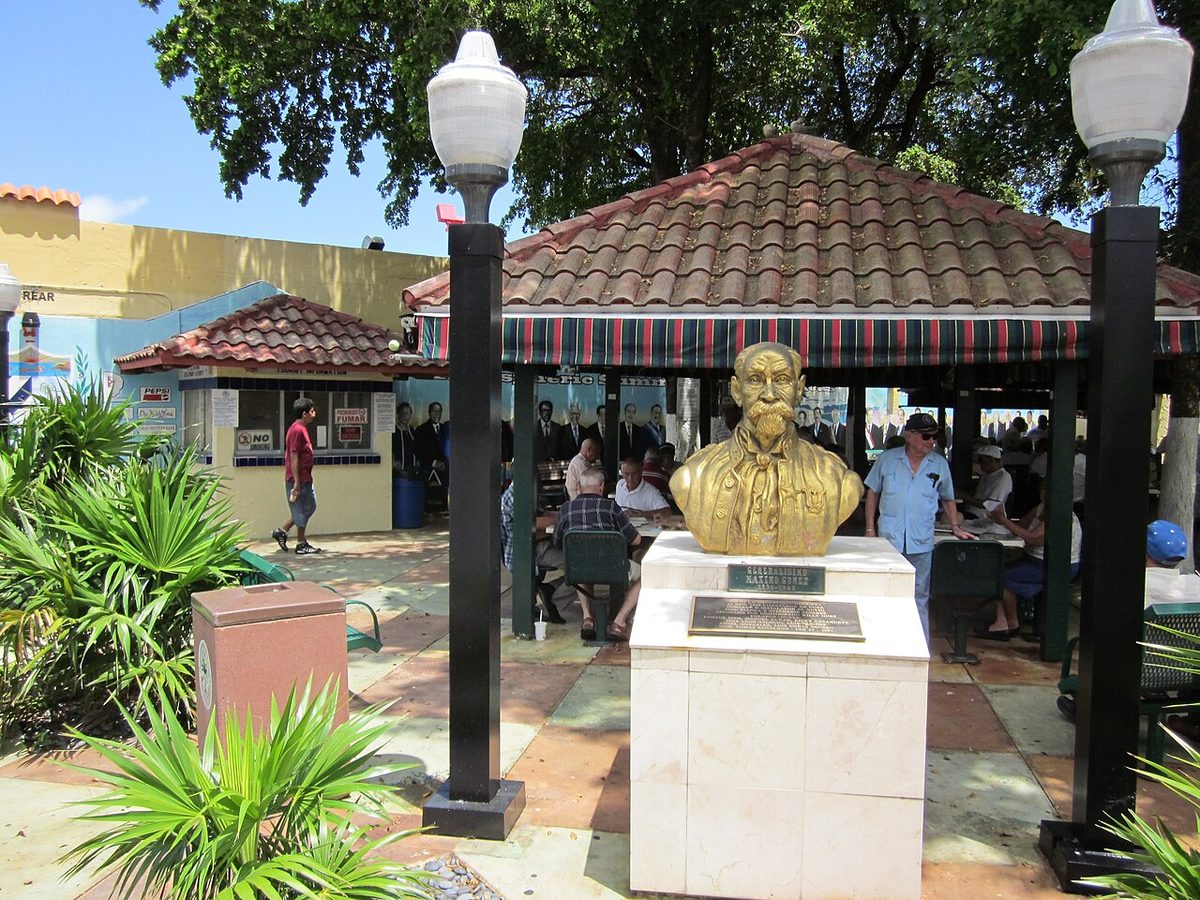
Photo: Infrogmation of New Orleans, CC BY-SA 3.0 / Wikimedia Commons
The neighbourhood of Cuban exiles and immigrants from Latin America; on Calle Ocho, Domino Park has been a gathering place for Cuban immigrants since the early 1970s.
Wikipedia (en)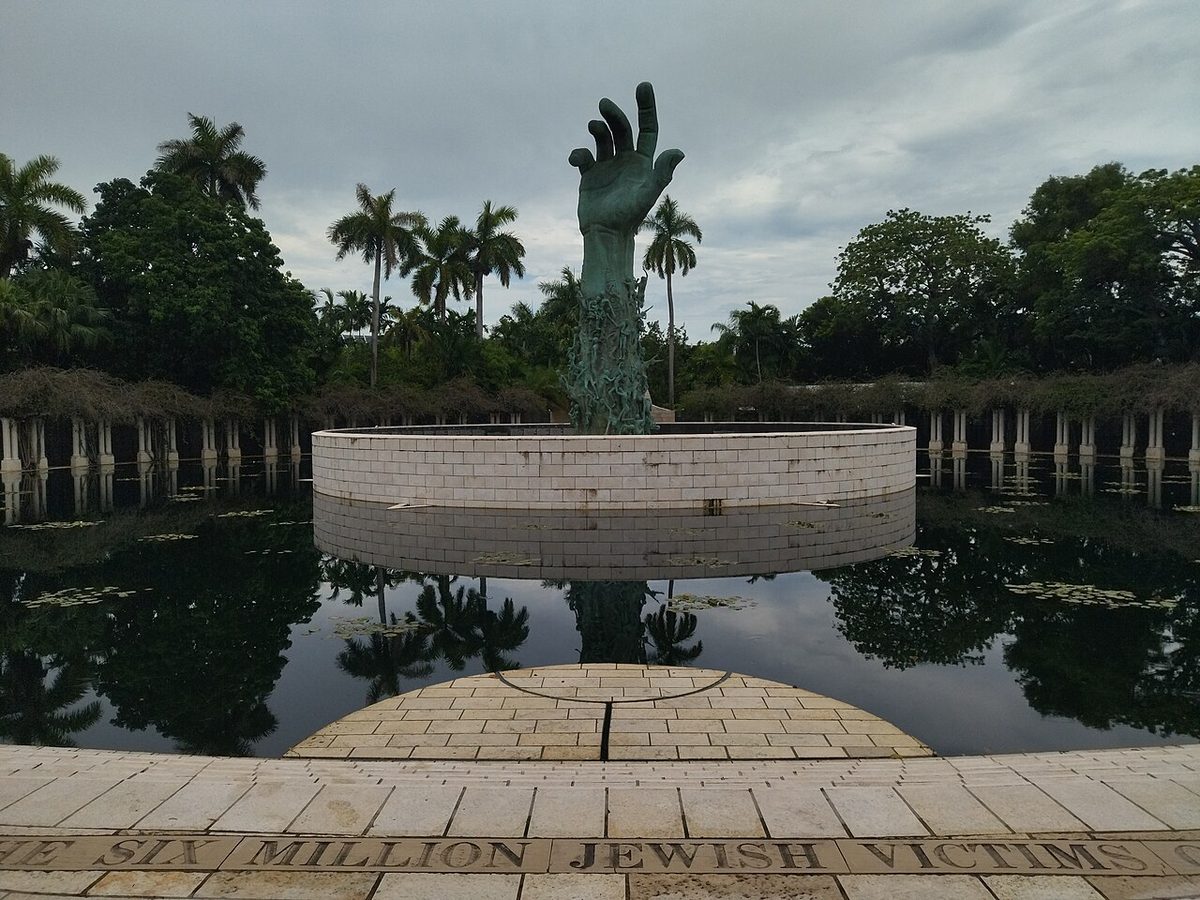
Photo: Giu.gent93, CC BY-SA 4.0 / Wikimedia Commons
A memorial to the victims of the Holocaust, conceived by survivors and dedicated in 1990; Elie Wiesel spoke at its dedication.
Wikipedia (en)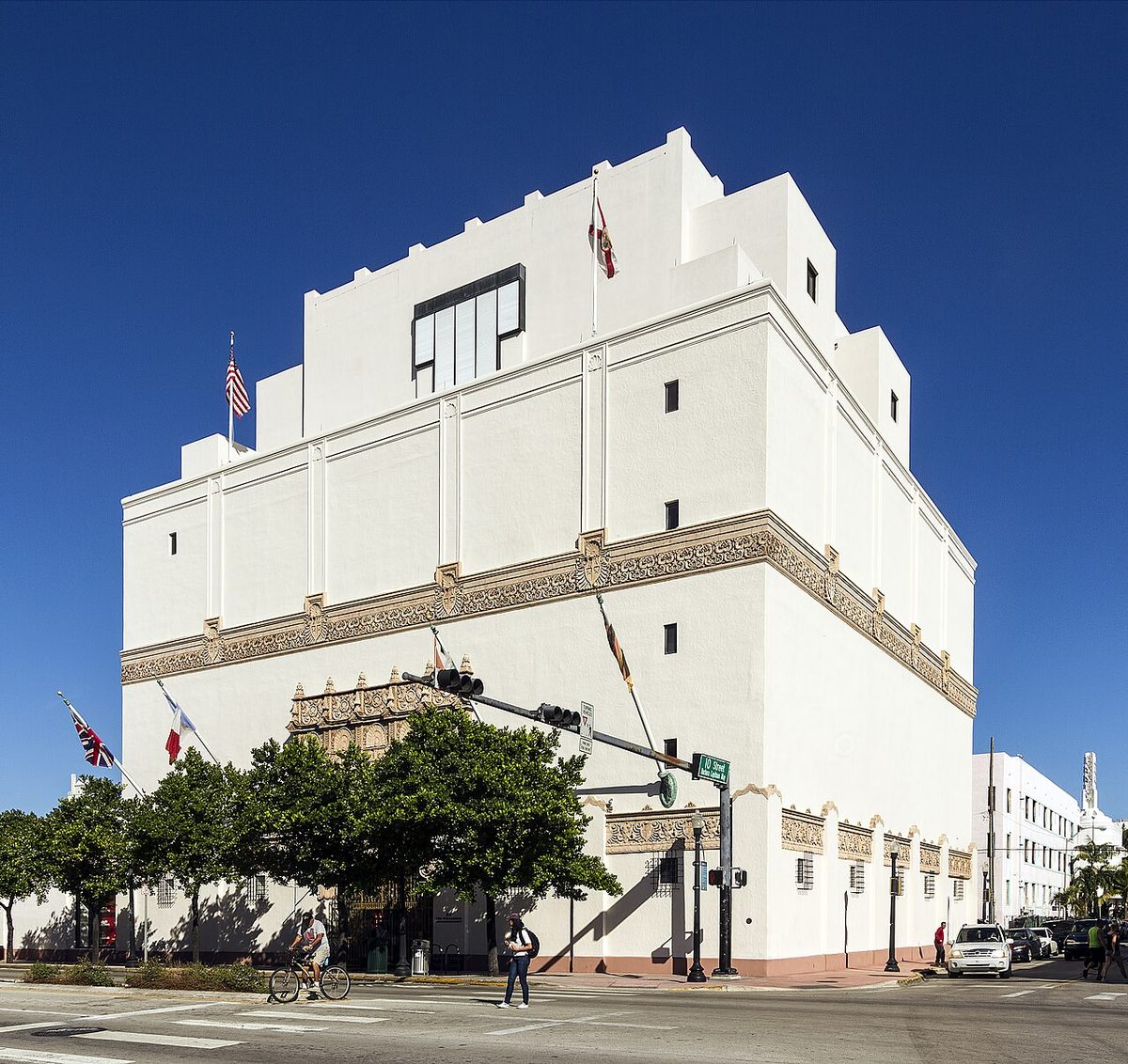
Photo: Acroterion, CC BY-SA 4.0 / Wikimedia Commons
A museum in the Art Deco District with about 180,000 objects from 1885 to 1945 that show the persuasive power of art and design.
Closed on Mondays and Tuesdays.
Wikipedia (en)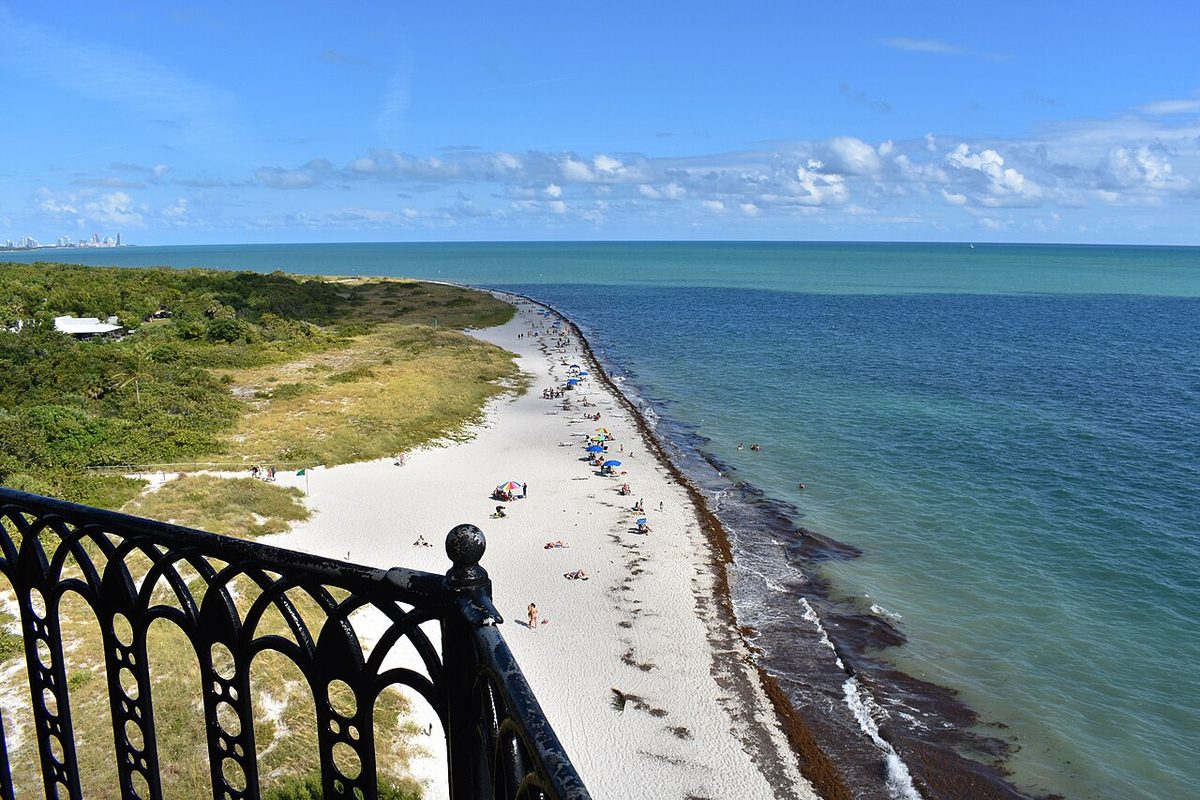
Photo: Tamanoeconomico, CC BY-SA 4.0 / Wikimedia Commons
A state park on the southern third of Key Biscayne, with a beach and the Cape Florida Light of 1825, the oldest standing structure in Greater Miami.
Wikipedia (en)
Beyond the top sights
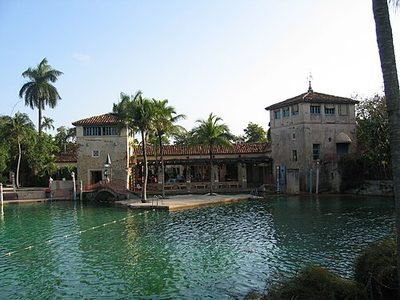
Photo: Jesper Rautell Balle, CC BY 3.0 / Wikimedia Commons
A historic public swimming pool of 1924.
Wikipedia (en)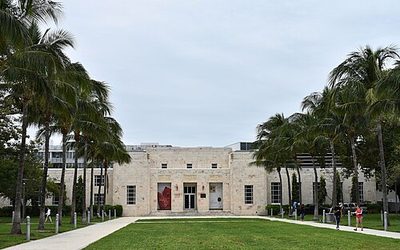
Photo: Tamanoeconomico, CC BY-SA 4.0 / Wikimedia Commons
Contemporary art in Miami Beach.
Wikipedia (en)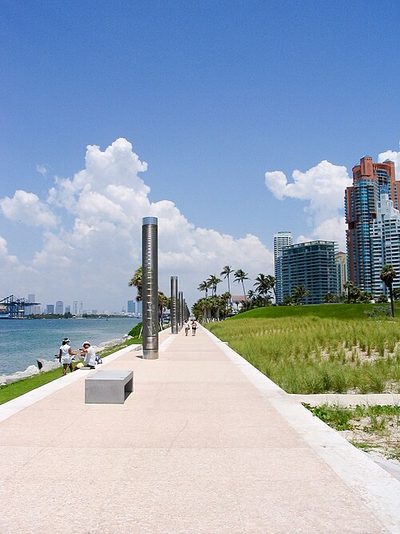
Photo: iJammin, CC BY 2.0 / Wikimedia Commons
A park in South Beach.
Wikipedia (en)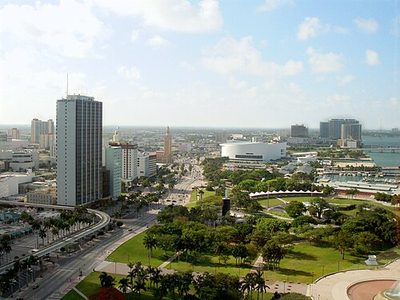
Photo: , CC BY 2.0 / Wikimedia Commons
A downtown park on Biscayne Bay.
Wikipedia (en)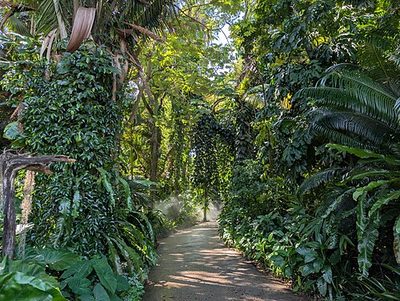
Photo: Krzysztof Ziarnek, Kenraiz, CC BY-SA 4.0 / Wikimedia Commons
A tropical botanic garden, open since 1938.
Wikipedia (en)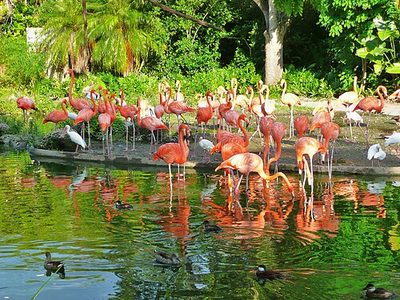
Photo: Averette, CC BY 3.0 / Wikimedia Commons
Florida's largest zoo, southwest of Miami.
Wikipedia (en)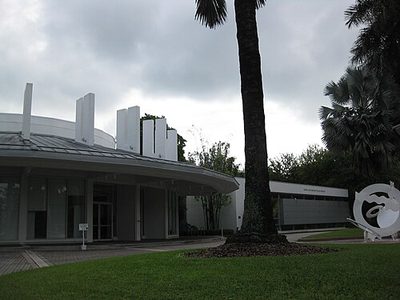
Photo: 8ABL, CC BY-SA 4.0 / Wikimedia Commons
The university art museum, 5,000 years of art.
Wikipedia (en)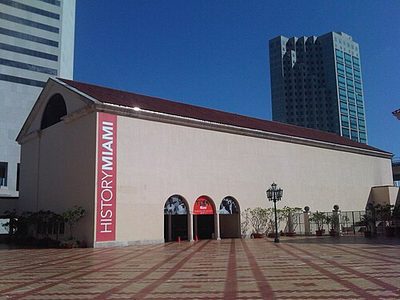
Photo: Pietro, CC BY-SA 3.0 / Wikimedia Commons
Florida's largest history museum, downtown.
Wikipedia (en)
Neighbourhoods
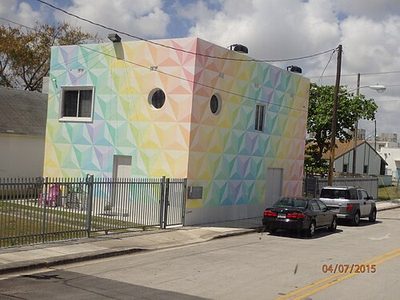
Photo: osseous, CC BY 2.0 / Wikimedia Commons
Best for: murals, galleries
A former industrial district north of downtown whose buildings and sidewalks are covered in murals, with galleries, restaurants and shops
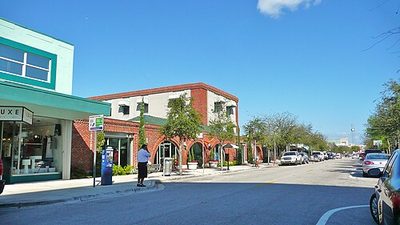
Photo: Averette, CC BY 3.0 / Wikimedia Commons
Best for: design, galleries
A shopping and cultural district with more than 130 art galleries, showrooms and design firms
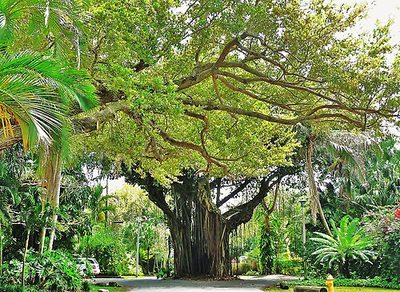
Photo: Averette, CC BY 3.0 / Wikimedia Commons
Best for: bayfront, history
The oldest continuously inhabited neighbourhood of Miami, on Biscayne Bay
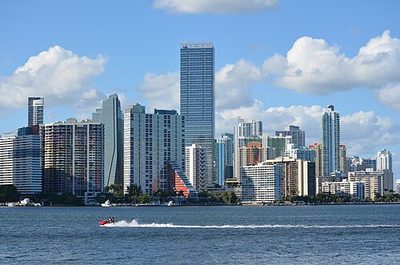
Photo: Daniel Christensen, Public domain / Wikimedia Commons
Best for: skyline
Miami's financial district south of downtown, once the "Millionaire's Row" of mansions on Brickell Avenue
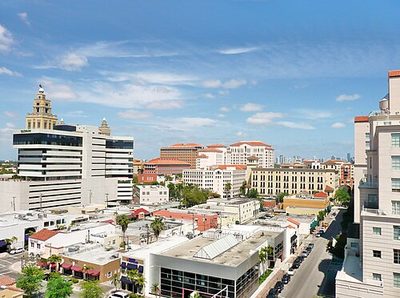
Photo: Averette, CC BY 3.0 / Wikimedia Commons
Best for: Mediterranean architecture
A Mediterranean-themed planned city southwest of downtown, home to the University of Miami
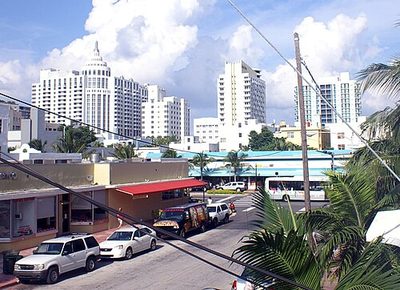
Photo: Daniel di Palma, CC BY-SA 2.5 / Wikimedia Commons
Best for: beach, Art Deco
The south of Miami Beach, a separate city between Biscayne Bay and the Atlantic; the first part of the island built up, from the 1910s, with Art Deco hotels on Ocean Drive
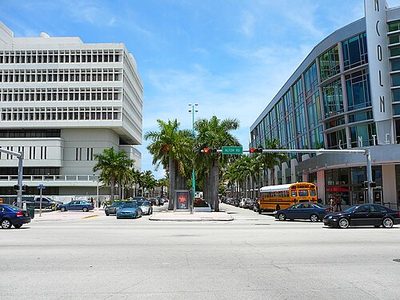
Photo: , CC BY-SA 3.0 / Wikimedia Commons
A pedestrian mall between 16th and 17th Street in Miami Beach, lined with shops, restaurants and galleries.
Wikipedia (en)A Mediterranean Revival pedestrian street in Miami Beach, laid out from 1925 to look like a Spanish village.
City of Miami Beach
Ham, roast pork, Swiss cheese, pickles and mustard on Cuban bread, brought to Miami by Cuban exiles.
Wikipedia (en)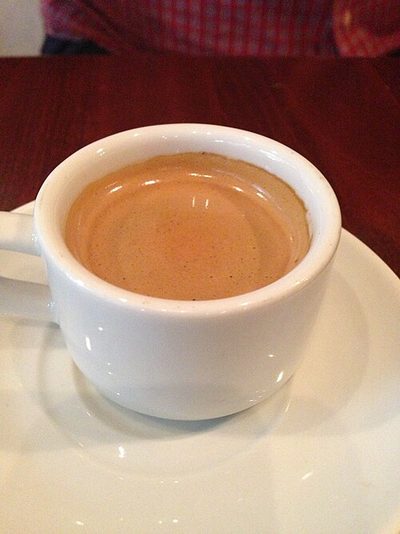
Photo: User:Colinkb7, CC BY-SA 3.0 / Wikimedia Commons
Cuban espresso, sweetened with sugar whipped into the first, strongest drops of the coffee.
Wikipedia (en)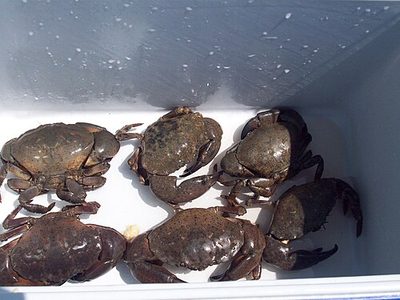
Photo: Techygirlga, Public domain / Wikimedia Commons
The claws of the Florida stone crab, a dish of the harvest season.
In season from 15 October to 1 May.
Wikipedia (en)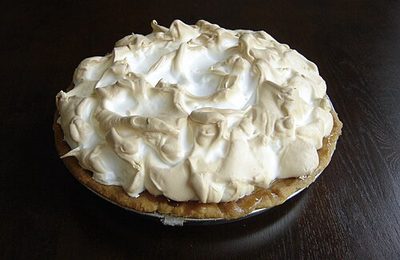
Photo: Peter Veldhuizen, Public domain / Wikimedia Commons
A Florida pie of Key lime juice, egg yolks and sweetened condensed milk, traditionally on a graham cracker crust.
Wikipedia (en)Breaded, deep-fried rolls of thick béchamel with a filling such as finely chopped ham.
Wikipedia (en)
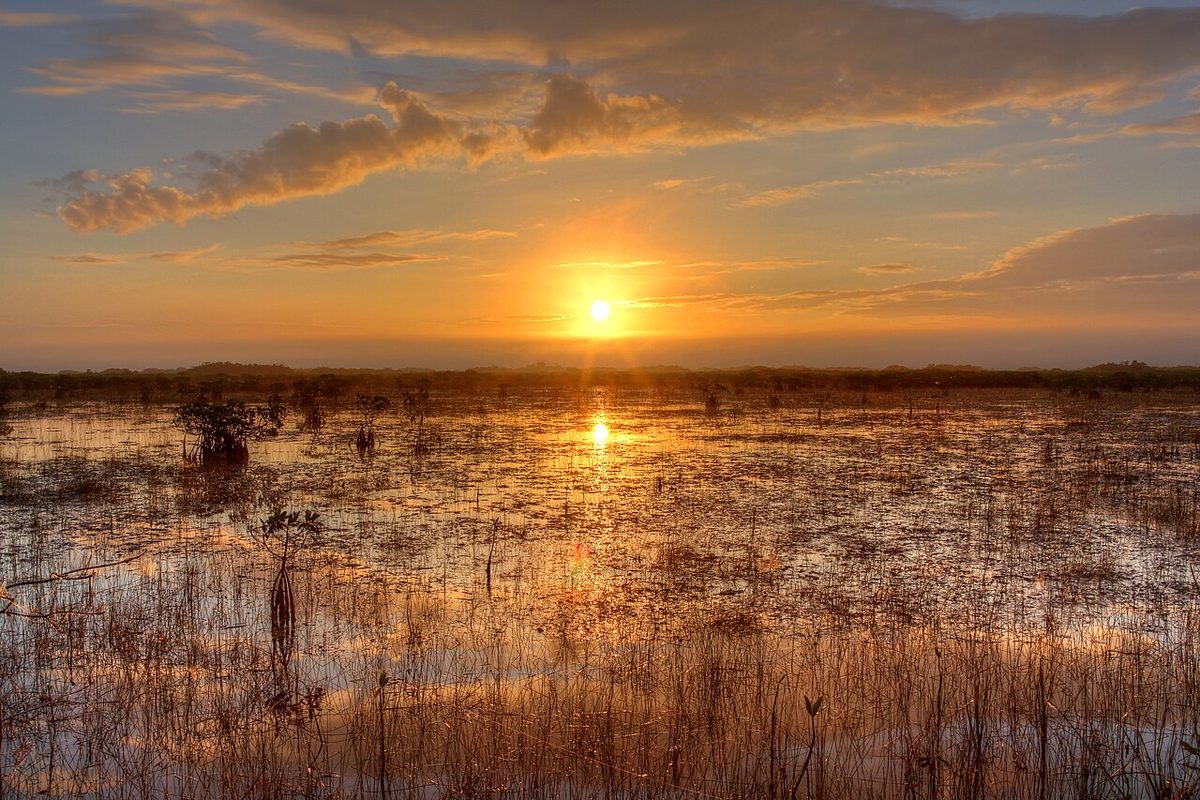
Photo: Everglades NPS from Homestead, Florida, United States, Public domain / Wikimedia Commons
By car: to Shark Valley along US 41 (Tamiami Trail), 25 miles west; there is no public transport in the park.
A national park of over 1.5 million acres that protects the southern fifth of the original Everglades; more than 86 percent of it is wilderness.
Wikipedia (en)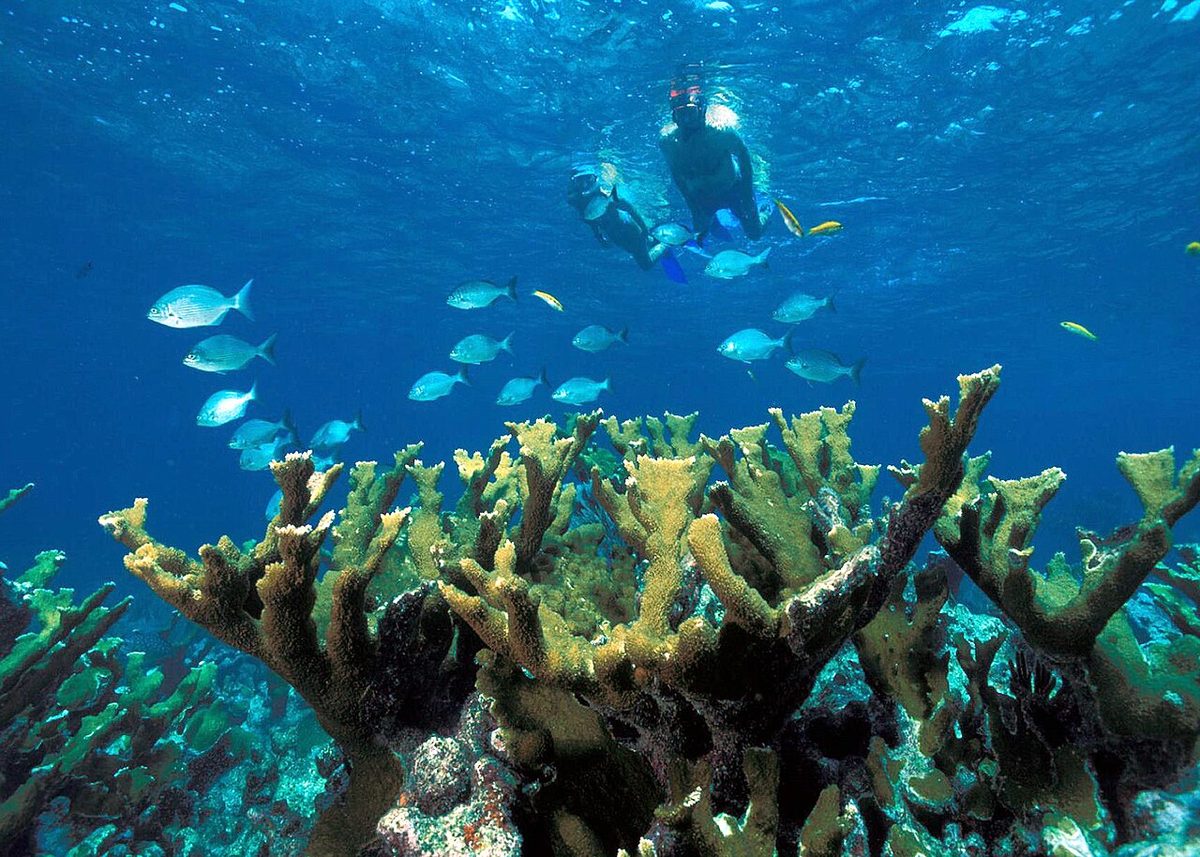
Photo: National Park Service, Public domain / Wikimedia Commons
By car to the Dante Fascell Visitor Center near Homestead.
A national park that protects Biscayne Bay and its offshore reefs; of its 172,971 acres, only 9,075 are on land.
Wikipedia (en)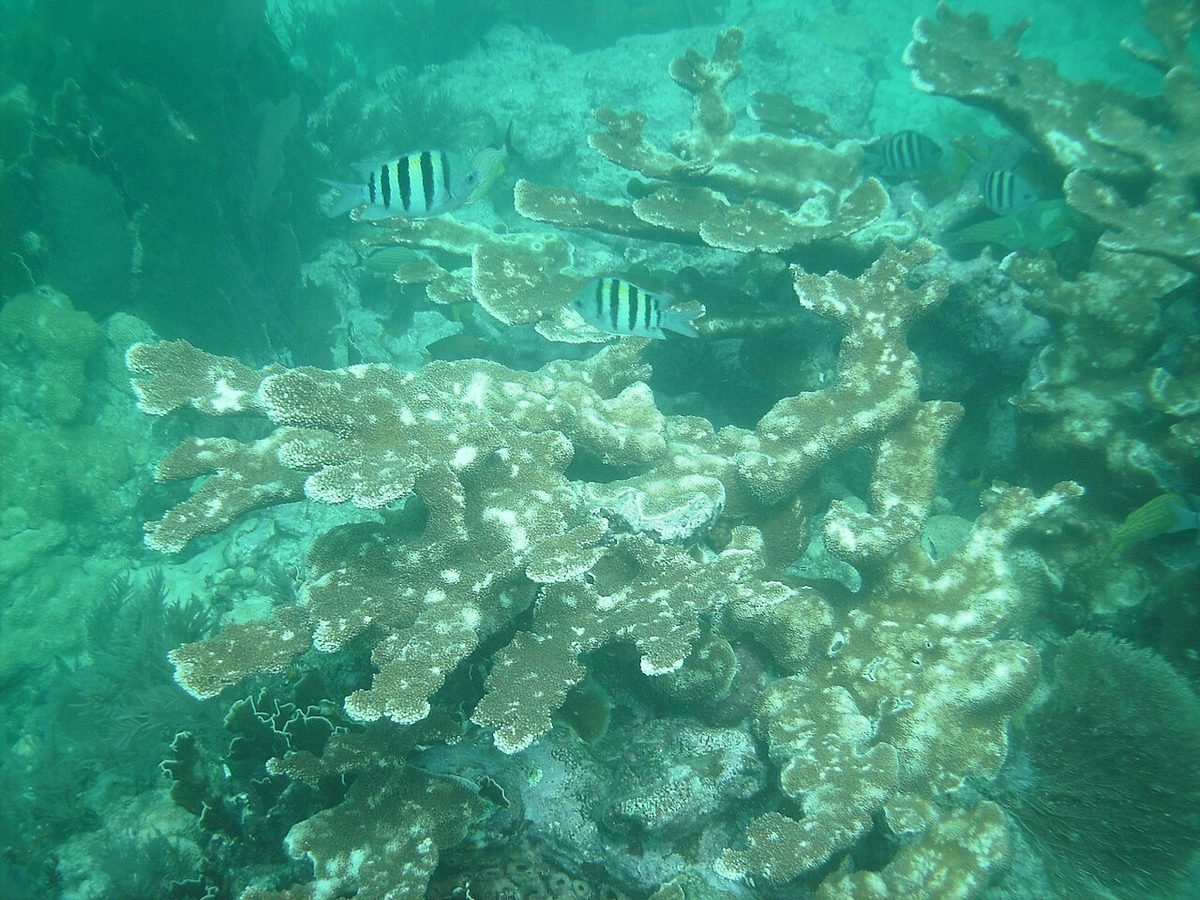
Photo: Jim Stuby (talk), Public domain / Wikimedia Commons
By car along US 1 (the Overseas Highway) to Key Largo.
On Key Largo, the first undersea park in the United States, dedicated in 1960; glass-bottom boat and snorkel trips go out to the coral reef.
Wikipedia (en)
- SafetyDon't leave passports in rental cars; gangs may target cars that look like tourists' cars.
- Hurricane seasonThe Atlantic hurricane season runs from 1 June to 30 November.
- Beach flagsDouble red: water closed to swimmers; red: high hazard from strong currents or high surf; yellow: medium hazard; green: low hazard; purple: dangerous marine life. Swim at lifeguard-protected beaches.
Related Guides
Share a tip.
Sources (77) · Last checked: October 2026