Paris has the Louvre, the Eiffel Tower and Notre-Dame along the Seine, with quays you can walk between them. A few streets on are iron footbridges over the Canal Saint-Martin, a morning food market on the place d'Aligre and palace gardens you can walk into for free.
Photo: Chris Karidis / Unsplash
About Paris
History
Between 250 and 225 BC the Parisii settled on the banks of the Seine; in 52 BC a Roman army defeated them and founded the town of Lutetia. Clovis I, King of the Franks, made it his capital in 508. In the Middle Ages Paris was the largest city in Europe and the birthplace of Gothic architecture, which you still see in Notre-Dame and the Sainte-Chapelle. From 1853 Napoleon III and his prefect Georges-Eugène Haussmann rebuilt the centre with new boulevards, lined with buildings of one height, one basic design and cream-coloured stone.
Must-sees
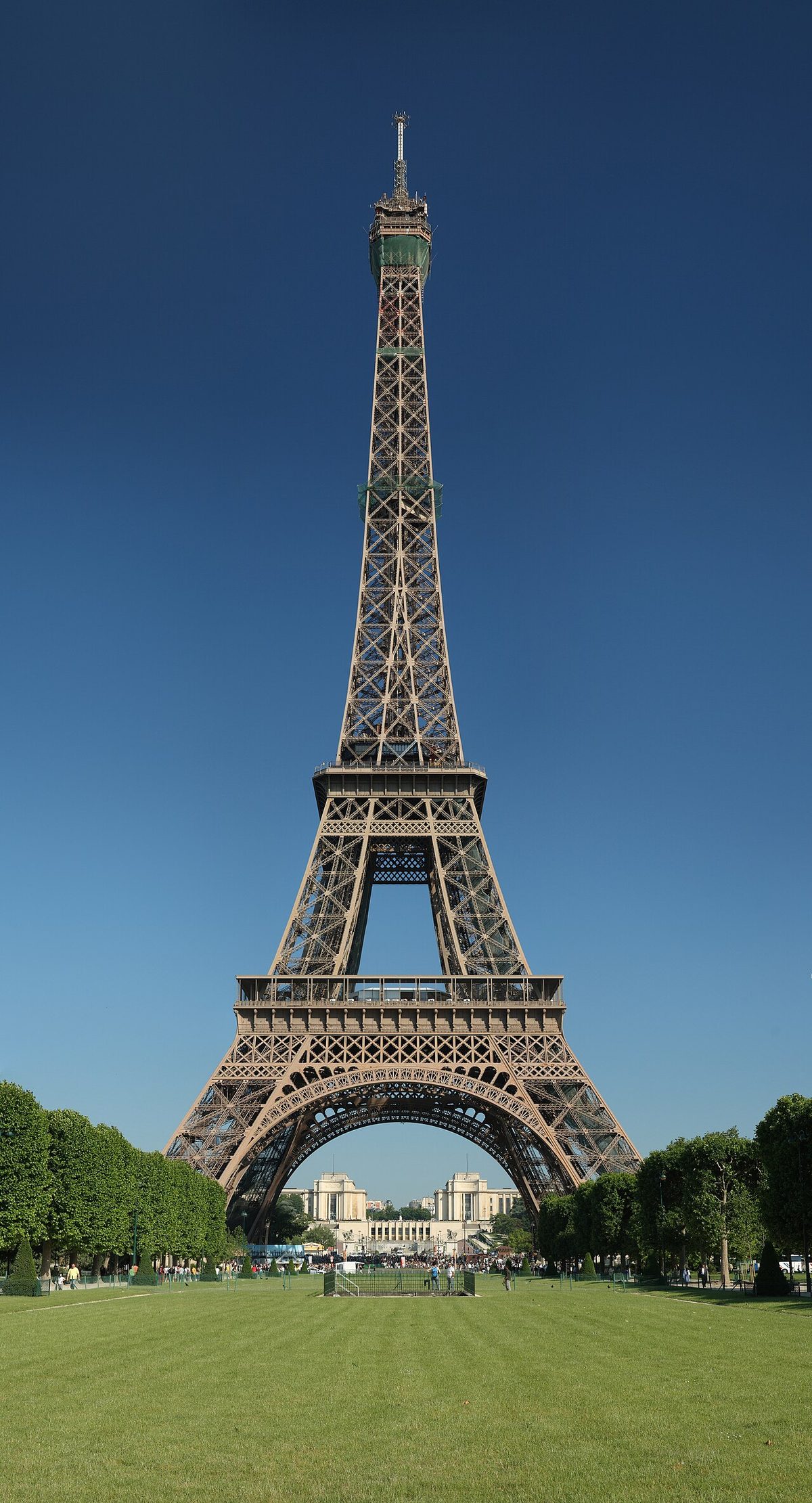
Photo: Benh LIEU SONG, Public domain / Wikimedia Commons
Go up the 330-metre wrought-iron tower that Gustave Eiffel's company built for the 1889 World's Fair, still the tallest structure in Paris. After nightfall its lights sparkle for five minutes on the hour.
Open every day; best time: evening.
Wikipedia (en)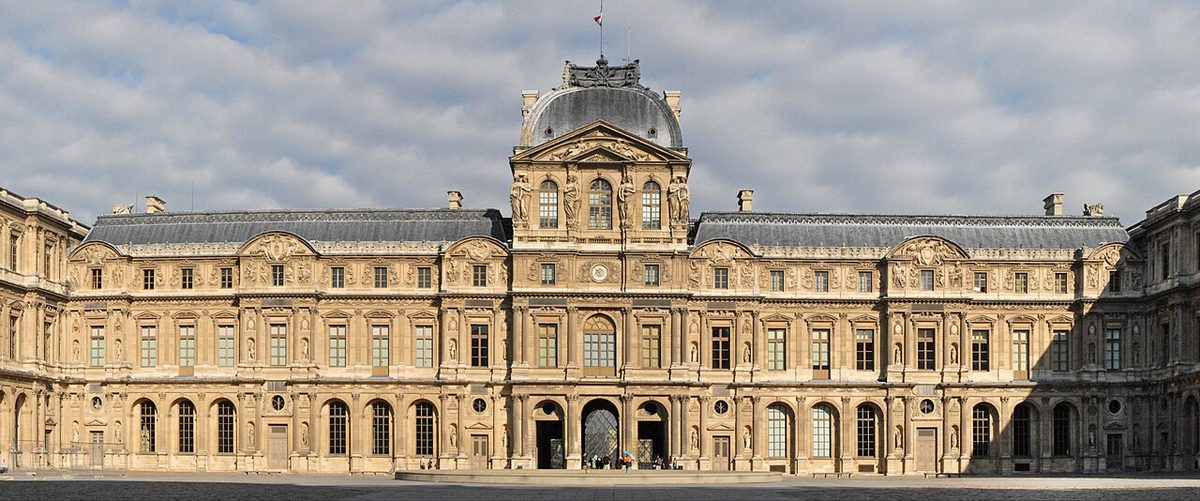
Photo: Jean-Pierre Dalbéra, CC BY 2.0 / Wikimedia Commons
See the Mona Lisa, the Venus de Milo and the Winged Victory in the former royal palace; in the basement, remains of the medieval Louvre fortress are visible.
Closed on Tuesdays; booking a time slot is recommended.
Wikipedia (en)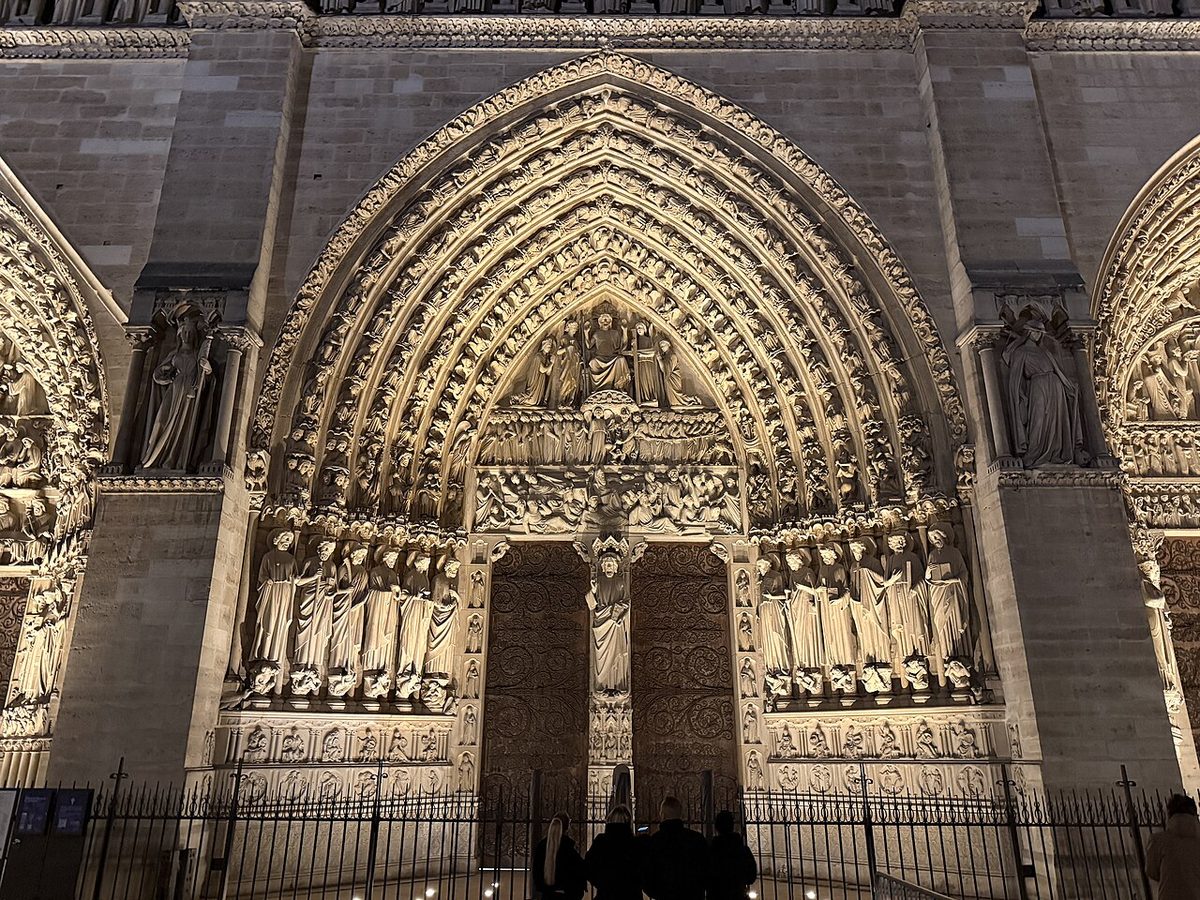
Photo: Chabe01, CC BY-SA 4.0 / Wikimedia Commons
Look up at the rib vaults, flying buttresses and large rose windows of the Gothic cathedral on the Île de la Cité, begun in 1163. Entry is free.
Free time slots can be booked on the official site; entry also without one.
Wikipedia (en)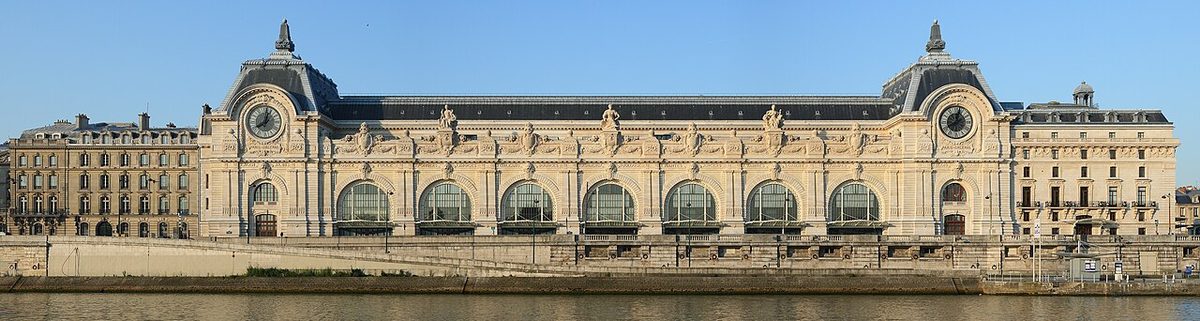
Photo: Sanchezn, CC BY-SA 3.0 / Wikimedia Commons
See Impressionist and post-Impressionist paintings by Monet, Manet, Degas, Renoir, Cézanne and van Gogh in a Beaux-Arts railway station built for the 1900 World's Fair.
Closed on Mondays.
Wikipedia (en)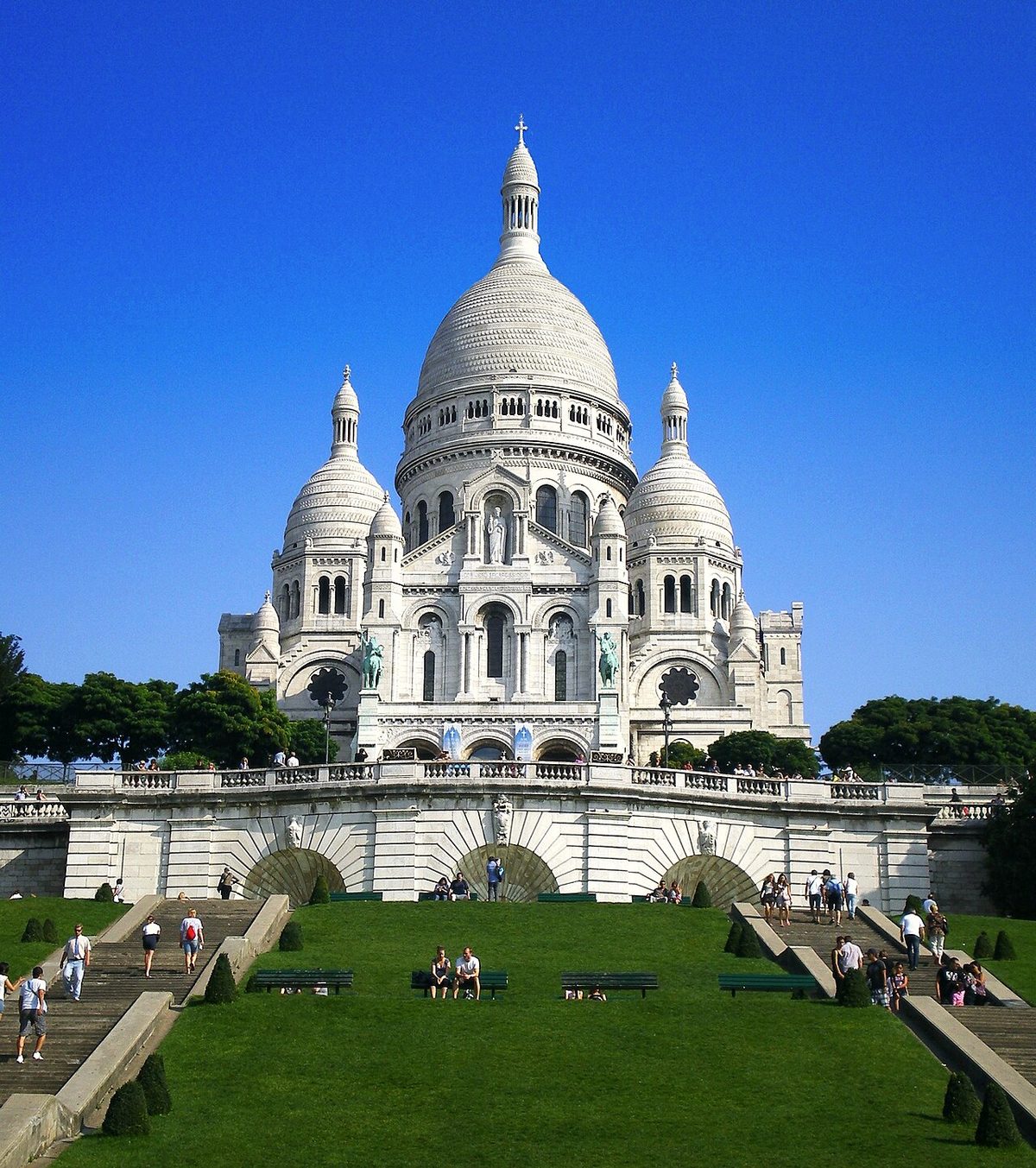
Photo: Tonchino, CC BY-SA 3.0 / Wikimedia Commons
Look out over the whole city from the white-domed basilica at the top of the Montmartre hill. Entry is free.
Open every day; best time: evening.
Wikipedia (en)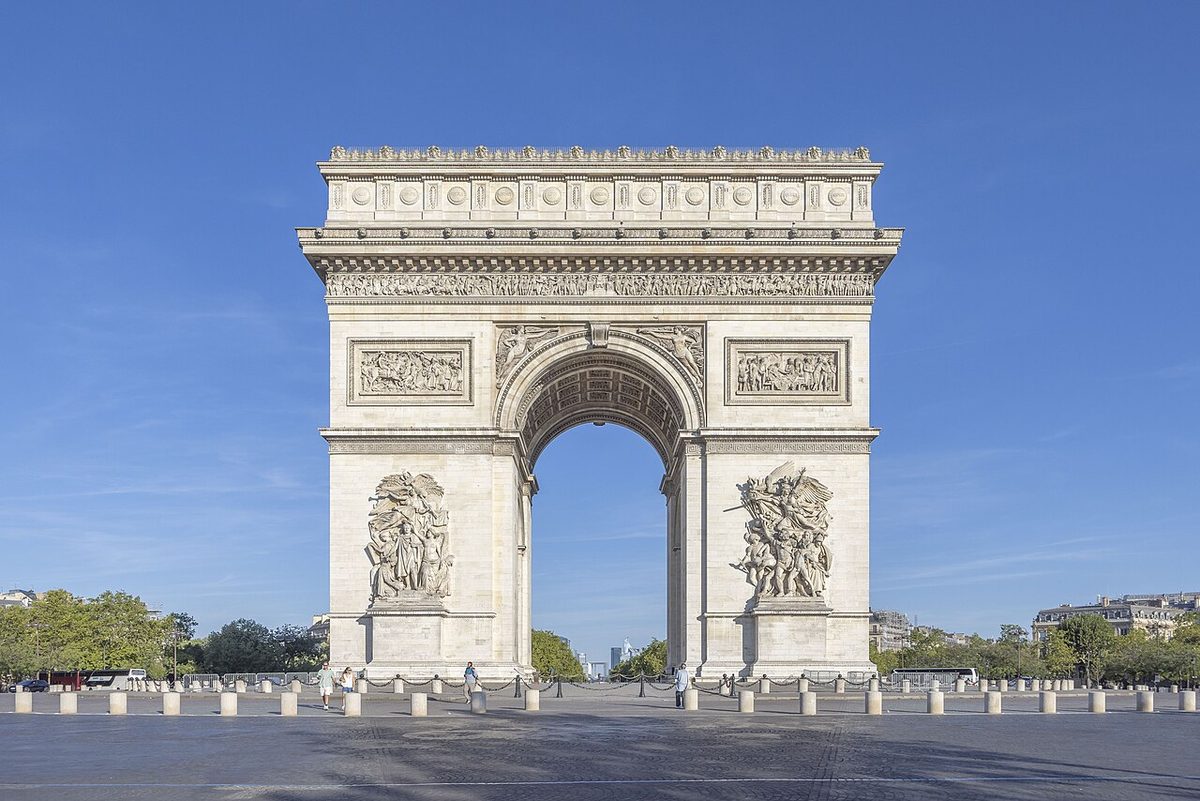
Photo: ZeusUpsistos, CC BY-SA 4.0 / Wikimedia Commons
Climb the 284 steps to the terrace for views over Paris; under the arch lies the Tomb of the Unknown Soldier with its eternal flame, and the walls carry the names of French victories and generals.
The lift is out of service until further notice; the terrace is reached by the stairs only.
Wikipedia (en)

Plan My Trip with Ava
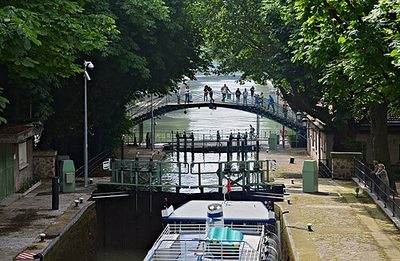
Photo: JLPC, CC BY-SA 3.0 / Wikimedia Commons
Walk the canal that links the Canal de l'Ourcq with the Seine; almost half of it runs underground, beneath boulevards built in the 19th century.
Wikipedia (en)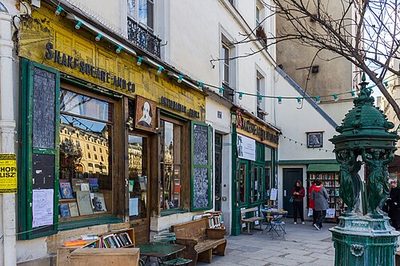
Photo: Mike Peel, CC BY-SA 4.0 / Wikimedia Commons
George Whitman's English-language bookshop on the Left Bank, open since 1951, sells new and second-hand books and has a free reading library.
Wikipedia (en)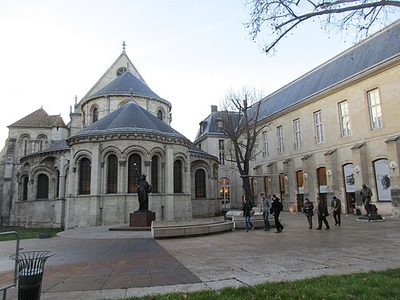
Photo: Arnaud 25, CC BY-SA 4.0 / Wikimedia Commons
Scientific instruments and inventions collected since 1794, among them Foucault's original pendulum, in the former abbey of Saint-Martin-des-Champs.
Closed on Mondays.
Wikipedia (en)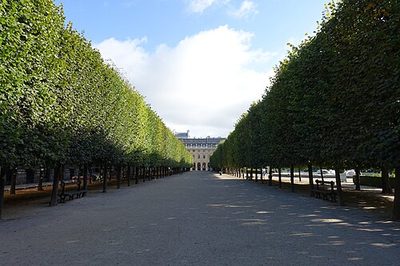
Photo: Guilhem Vellut, CC BY 2.0 / Wikimedia Commons
Opposite the Louvre, Cardinal Richelieu's former palace surrounds the Palais-Royal Garden, a public park with shops in its arcades.
Wikipedia (en)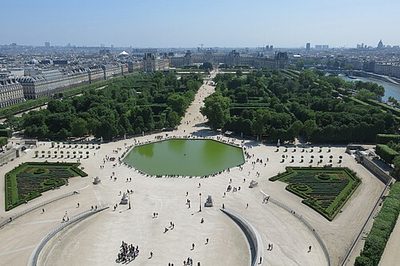
Photo: Tangopaso, Public domain / Wikimedia Commons
Catherine de' Medici's palace garden of 1564, between the Louvre and the Place de la Concorde, has been open to the public since 1667.
Wikipedia (en)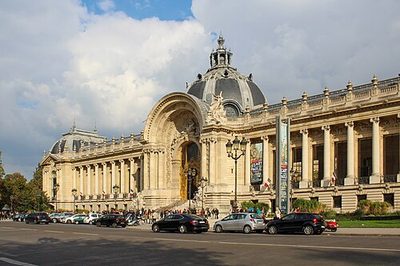
Photo: Chabe01, CC BY-SA 4.0 / Wikimedia Commons
Built for the 1900 world's fair, it houses the City of Paris Museum of Fine Arts; the permanent collection is free.
Closed on Mondays.
Wikipedia (en)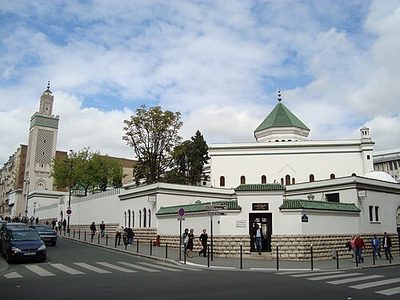
Photo: LPLT, CC BY-SA 4.0 / Wikimedia Commons
Completed in 1926, the oldest mosque in metropolitan France has an outdoor garden, a café and a restaurant; admission is charged.
Not open to visitors on Fridays and Muslim holidays.
Wikipedia (en)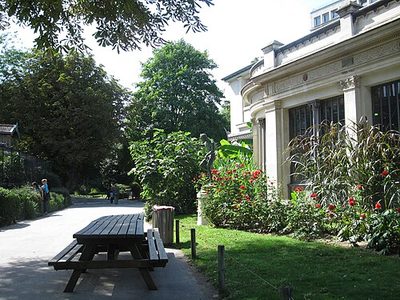
Photo: Spiridon MANOLIU, Public domain / Wikimedia Commons
The zoo of the Jardin des Plantes botanical garden, with many rare smaller and medium-sized mammals and a variety of birds and reptiles.
Wikipedia (en)
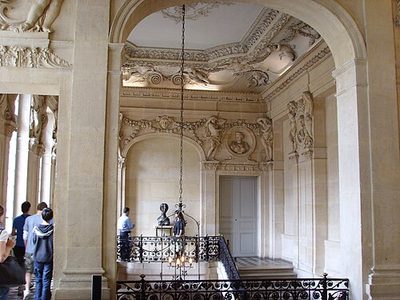
Photo: Luctor, Public domain / Wikimedia Commons
Le Marais
Best for: galleries, museums, the Place des Vosges
Art galleries, restaurants and museums in the Right Bank's former aristocrats' district.
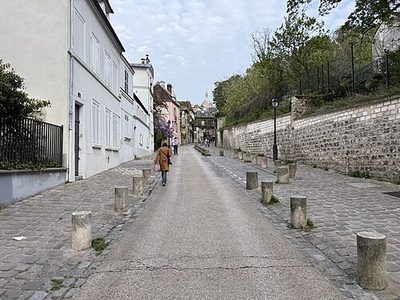
Photo: Chabe01, CC BY-SA 4.0 / Wikimedia Commons
Montmartre
Best for: Sacré-Cœur, rue Lepic, the bars and restaurants along rue des Abbesses
Shops and cafés along rue Lepic, up the 130-metre hill to Sacré-Cœur; known for its artists' history.
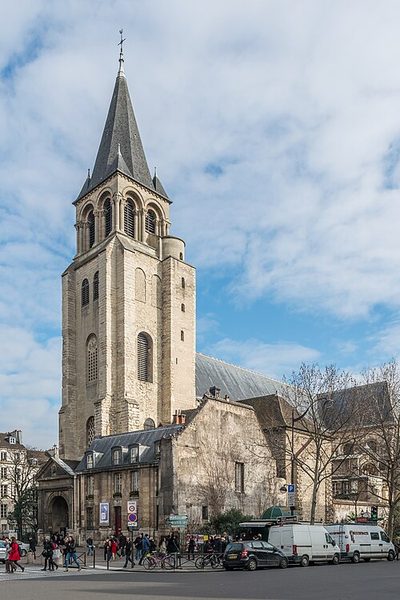
Photo: DXR, CC BY-SA 3.0 / Wikimedia Commons
Saint-Germain-des-Prés
Best for: the abbey church, cafés, bookshops
Cafés, bookshops and publishing houses around the former abbey church on the Left Bank.
Photo: JLPC, CC BY-SA 3.0 / Wikimedia Commons
Canal Saint-Martin
Best for: a walk along the water, the iron footbridges
The open stretch of the canal, north of the Rue du Faubourg du Temple.
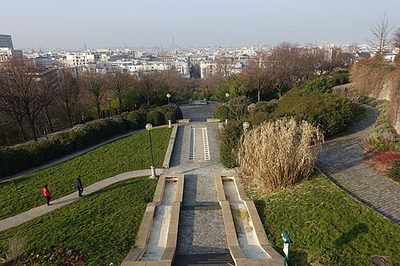
Photo: Guilhem Vellut, CC BY 2.0 / Wikimedia Commons
Belleville
Best for: Chinese restaurants, the Tuesday and Friday market on the Boulevard de Belleville
A large Chinese community since the 1980s, with many restaurants and shops, on a hill shared by four arrondissements.
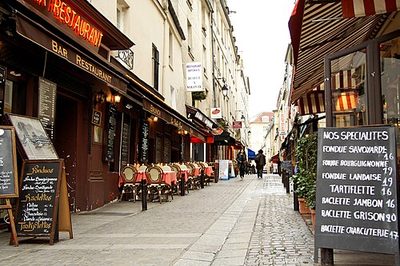
Photo: besopha, CC BY-SA 2.0 / Wikimedia Commons
Latin Quarter (Quartier Latin)
Best for: the Sorbonne, the Panthéon, rue Mouffetard
Restaurants, cafés and a regular open market on rue Mouffetard, around the Sorbonne on the Left Bank.
An open-air food market on the rue and place d'Aligre in the 12th, next to the covered Beauvau market hall.
Tuesday to Sunday, mornings; closed on Mondays.
Ville de ParisA street in the 1st and 2nd arrondissements lined with restaurants, cafés, bakeries, fishmongers, cheese and wine shops, where pedestrians have priority.
Wikipedia (en)One of the oldest streets in Paris, with restaurants, cafés and a regular open market; a permanent open-air market stands at its southern end by Saint-Médard.
Wikipedia (en)Rue Lepic, the street climbing Montmartre, has shops and cafés; along rue des Abbesses there are bars and restaurants.
Paris je t'aime (Office de Tourisme de Paris)Chinese restaurants and shops since the 1980s, and a market on the Boulevard de Belleville where Île-de-France farmers sell their produce.
Market: Tuesday and Friday mornings.
Wikipedia (en)
The long, thin bread whose dough and dimensions French law defines; its craft was added to UNESCO's Intangible Cultural Heritage lists in 2022.
Paris je t'aime (Office de Tourisme de Paris)A crescent of laminated yeast dough between bread and puff pastry; the modern croissant dates from the early 20th century.
Paris je t'aime (Office de Tourisme de Paris)A ring of choux pastry filled with praline cream and topped with flaked almonds, created for the Paris–Brest–Paris bicycle race.
Paris je t'aime (Office de Tourisme de Paris)Onion soup cooked in stock and served gratinéed with bread and cheese; the version known today dates from the mid-19th century.
Paris je t'aime (Office de Tourisme de Paris)
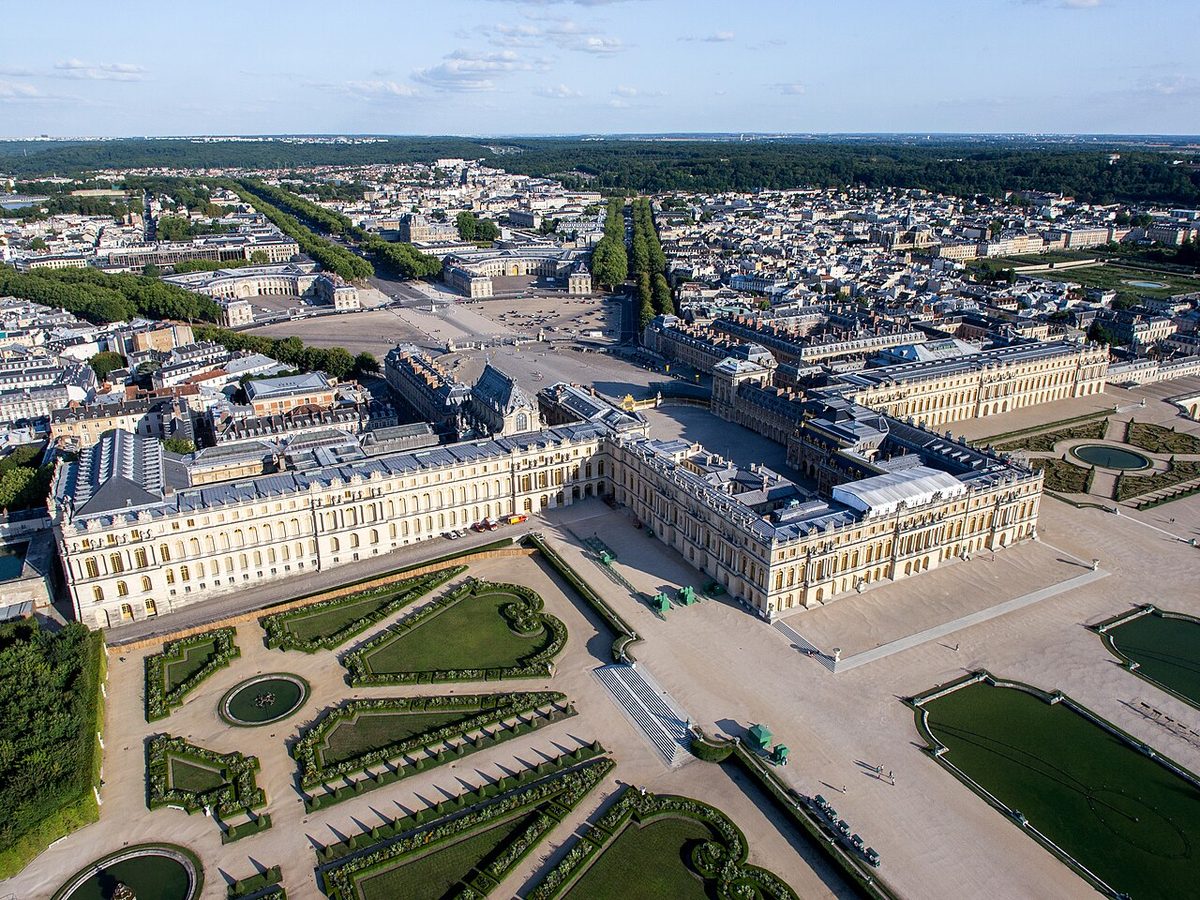
Photo: ToucanWings, CC BY-SA 3.0 / Wikimedia Commons
RER C (from Saint-Michel Notre-Dame, Invalides or Champ de Mars – Tour Eiffel) to Versailles Château Rive Gauche, then 10 minutes on foot.
The kings' residence from 1682 to 1789, built to glorify the monarchy under Louis XIV; one of the masterpieces of French classical architecture.
Closed on Mondays.
Wikipedia (en)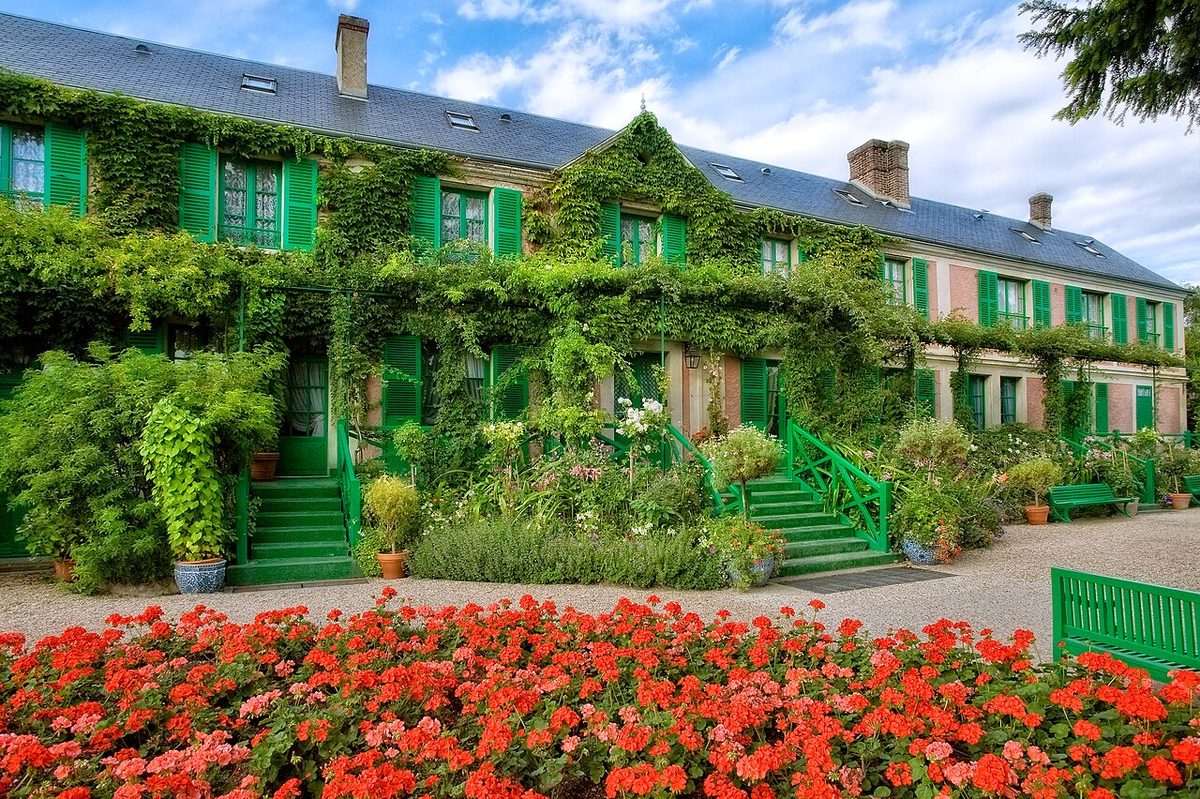
Photo: Fondation Monet, CC BY-SA 3.0 / Wikimedia Commons
Train from Paris to Vernon, about an hour, then on to Giverny.
Monet lived and painted here for 43 years; see the water-lily pond, the Japanese bridge and the flower garden he painted.
Open 1 April to 1 November.
Wikipedia (en)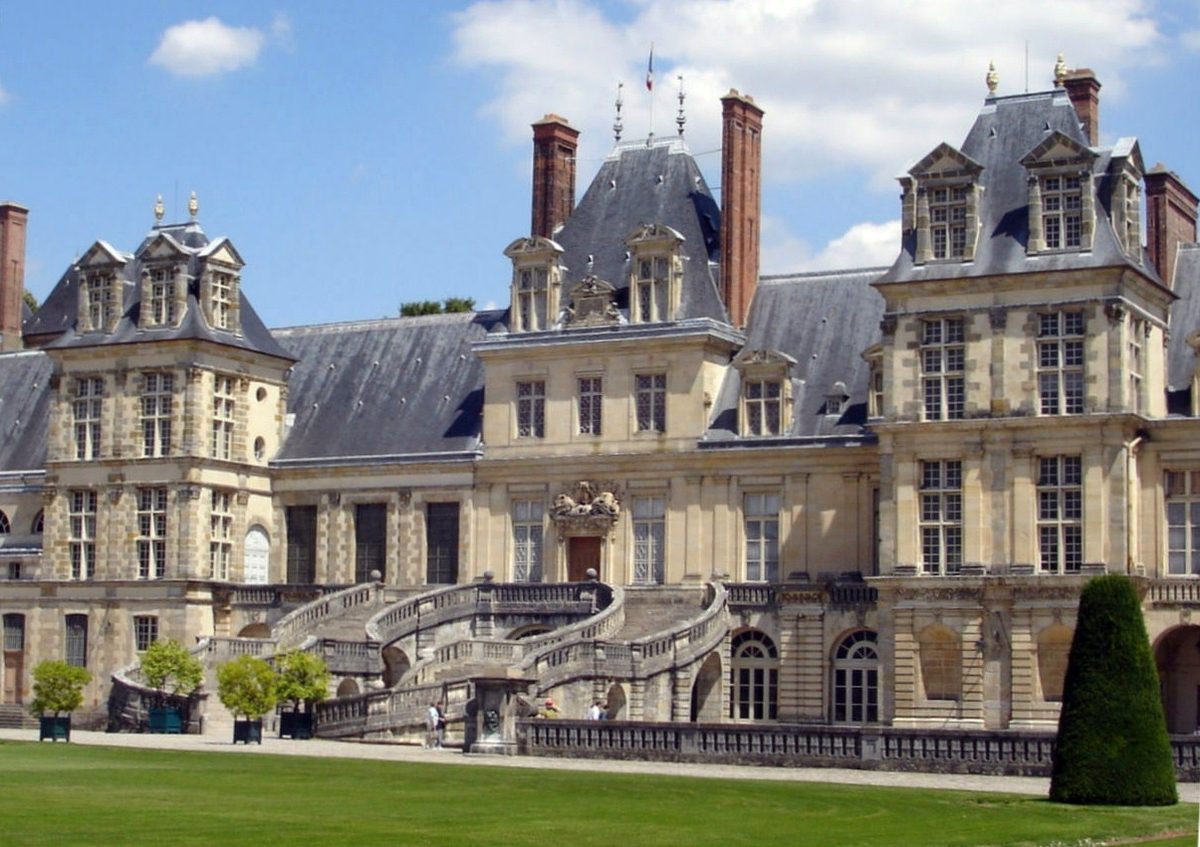
Photo: user:Carolus, CC BY 2.5 / Wikimedia Commons
Train from Paris Gare de Lyon (towards Montargis, Montereau or Laroche-Migennes) to Fontainebleau-Avon, about 40 minutes, then bus line 1 to the "Château" stop.
Hunting lodge and autumn residence of French kings from Louis VII to Napoleon III, a UNESCO World Heritage Site since 1981.
Closed on Tuesdays.
Wikipedia (en)
Entry
Entry rules depend on your nationality. Check before you travel: European Commission (Migration and Home Affairs)
Currency
Euro (EUR). Almost all shops, restaurants and hotels take Visa and Mastercard; carry some euros in cash for emergencies.
Tipping
Service is included in the bill (service compris); a tip isn't expected, but many people round up.
Safety
Pickpockets work in the Metro, on the RER and at the main stations; carry your bag across your body.
SIM / Data
Prepaid SIM cards are sold in most tabacs (tobacconists).
Language
French is the official language.
At a glance
- Population:Insee
- Charles de Gaulle airport:Paris je t'aime (Office de Tourisme de Paris)
- Entry:European Commission (Migration and Home Affairs)
Must-sees
- Eiffel Tower:Wikipedia (en)
- Eiffel Tower:Wikipedia (de)
- Eiffel Tower:Société d’Exploitation de la Tour Eiffel
- Eiffel Tower:Société d’Exploitation de la Tour Eiffel
- Louvre:Wikipedia (en)
- Louvre:Wikipedia (de)
- Louvre:Musée du Louvre
- Notre-Dame de Paris:Wikipedia (en)
- Notre-Dame de Paris:Wikipedia (de)
- Notre-Dame de Paris:Cathédrale Notre-Dame de Paris
- Notre-Dame de Paris:Cathédrale Notre-Dame de Paris
- Musée d'Orsay:Wikipedia (en)
- Musée d'Orsay:Wikipedia (de)
- Musée d'Orsay:Musée d'Orsay
- Sacré-Cœur:Wikipedia (en)
- Sacré-Cœur:Wikipedia (de)
- Sacré-Cœur:Basilique du Sacré-Cœur de Montmartre
- Arc de Triomphe:Wikipedia (en)
- Arc de Triomphe:Wikipedia (de)
- Arc de Triomphe:Centre des monuments nationaux
- Arc de Triomphe:Centre des monuments nationaux
- Sainte-Chapelle:Wikipedia (en)
- Sainte-Chapelle:Wikipedia (de)
- Sainte-Chapelle:Centre des monuments nationaux
- Panthéon:Wikipedia (en)
- Panthéon:Wikipedia (de)
- Panthéon:Centre des monuments nationaux
- Père Lachaise Cemetery:Wikipedia (en)
- Père Lachaise Cemetery:Wikipedia (de)
- Père Lachaise Cemetery:Ville de Paris
- Jardin du Luxembourg:Wikipedia (en)
- Jardin du Luxembourg:Wikipedia (de)
- Jardin du Luxembourg:Sénat
- Place des Vosges:Wikipedia (en)
- Place des Vosges:Wikipedia (de)
- Place des Vosges:Ville de Paris
- Catacombs of Paris:Wikipedia (en)
- Catacombs of Paris:Wikipedia (de)
- Catacombs of Paris:Paris Musées
- Banks of the Seine:UNESCO World Heritage Centre
- Banks of the Seine:Wikipedia (de)
- Banks of the Seine:Paris je t'aime (Office de Tourisme de Paris)
- Banks of the Seine:Paris je t'aime (Office de Tourisme de Paris)
- Banks of the Seine:Paris je t'aime (Office de Tourisme de Paris)
Beyond the top sights
- Canal Saint-Martin:Wikipedia (en)
- Canal Saint-Martin:Wikipedia (de)
- Shakespeare and Company:Wikipedia (en)
- Musée des Arts et Métiers:Wikipedia (en)
- Musée des Arts et Métiers:Wikipedia (de)
- Musée des Arts et Métiers:Musée des Arts et Métiers
- Palais-Royal:Wikipedia (en)
- Palais-Royal:Wikipedia (de)
- Jardin des Tuileries:Wikipedia (en)
- Jardin des Tuileries:Wikipedia (de)
- Petit Palais:Wikipedia (en)
- Petit Palais:Wikipedia (de)
- Petit Palais:Paris Musées
- Grand Mosque of Paris:Wikipedia (en)
- Grand Mosque of Paris:Grande Mosquée de Paris
- Ménagerie du Jardin des Plantes:Wikipedia (en)
- Ménagerie du Jardin des Plantes:Wikipedia (de)
Neighbourhoods
- Le Marais:Wikipedia (en)
- Montmartre:Wikipedia (en)
- Montmartre:Paris je t'aime (Office de Tourisme de Paris)
- Montmartre:Paris je t'aime (Office de Tourisme de Paris)
- Saint-Germain-des-Prés:Wikipedia (en)
- Canal Saint-Martin:Wikipedia (en)
- Canal Saint-Martin:Paris je t'aime (Office de Tourisme de Paris)
- Belleville:Wikipedia (en)
- Belleville:Ville de Paris
- Latin Quarter (Quartier Latin):Wikipedia (en)
- Latin Quarter (Quartier Latin):Wikipedia (en)
Where to eat
- Marché d'Aligre:Ville de Paris
- Marché d'Aligre:Ville de Paris
- Rue Montorgueil:Wikipedia (en)
- Rue Mouffetard:Wikipedia (en)
- Rue Mouffetard:Wikipedia (de)
- Montmartre: rue Lepic and rue des Abbesses:Paris je t'aime (Office de Tourisme de Paris)
- Montmartre: rue Lepic and rue des Abbesses:Paris je t'aime (Office de Tourisme de Paris)
- Montmartre: rue Lepic and rue des Abbesses:Wikipedia (en)
- Belleville:Wikipedia (en)
- Belleville:Ville de Paris
Local specialties
- Baguette:Paris je t'aime (Office de Tourisme de Paris)
- Baguette:Wikipedia (en)
- Baguette:UNESCO
- Croissant:Paris je t'aime (Office de Tourisme de Paris)
- Croissant:Wikipedia (en)
- Croissant:Wikipedia (de)
- Jambon-beurre:Paris je t'aime (Office de Tourisme de Paris)
- Jambon-beurre:Wikipedia (en)
- Paris–Brest:Paris je t'aime (Office de Tourisme de Paris)
- Paris–Brest:Wikipedia (en)
- Paris–Brest:Wikipedia (de)
- Onion soup:Paris je t'aime (Office de Tourisme de Paris)
- Onion soup:Wikipedia (en)
- Onion soup:Wikipedia (de)
Day trips
- Palace of Versailles:Wikipedia (en)
- Palace of Versailles:Wikipedia (de)
- Palace of Versailles:Château de Versailles
- Palace of Versailles:Château de Versailles
- Giverny: Claude Monet's house and gardens:Wikipedia (en)
- Giverny: Claude Monet's house and gardens:Wikipedia (de)
- Giverny: Claude Monet's house and gardens:Office de Tourisme Nouvelle Normandie
- Giverny: Claude Monet's house and gardens:SNCF Connect
- Palace of Fontainebleau:Wikipedia (en)
- Palace of Fontainebleau:Wikipedia (de)
- Palace of Fontainebleau:Château de Fontainebleau
- Palace of Fontainebleau:Fontainebleau Tourisme
Related Guides
Share a tip.